Gen info
- Croton is one of the larger genera in the spurge family Euphorbiaceae, with about 750 species recognized worldwide in tropical and subtropical regions. The majority of species is found in the Americas and about 75 species in Malesia. (27)
- The genus was described and introduced to Europeans by Georg Eberhard Rumphius.
- Croton caudatus was first described by Eduard Ferdinand Geisler in 1807.
- Etymology: The genus name Croton derives from Greek krotos, meaning "tick" and refers to the distinctive, rounded shape of the seeds of certain species, which are noted to look like ticks. The specific epithet caudatus derives from Latin, meaning "tailed" or "having a tail." In botany, it alludes to the leaves that taper into a long, tail-like point.
 Botany Botany
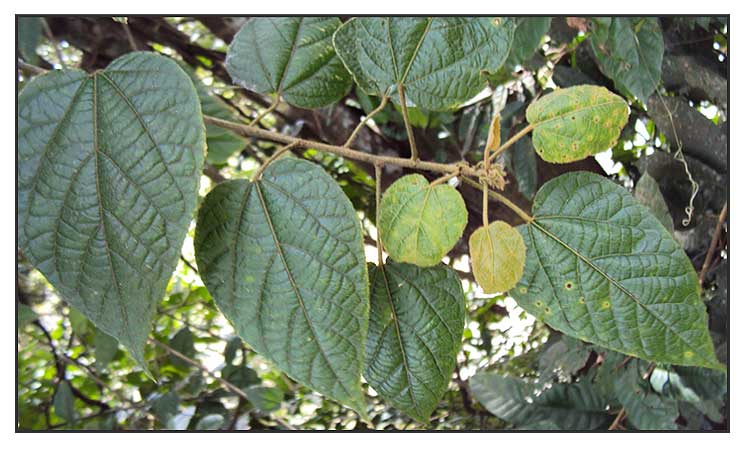
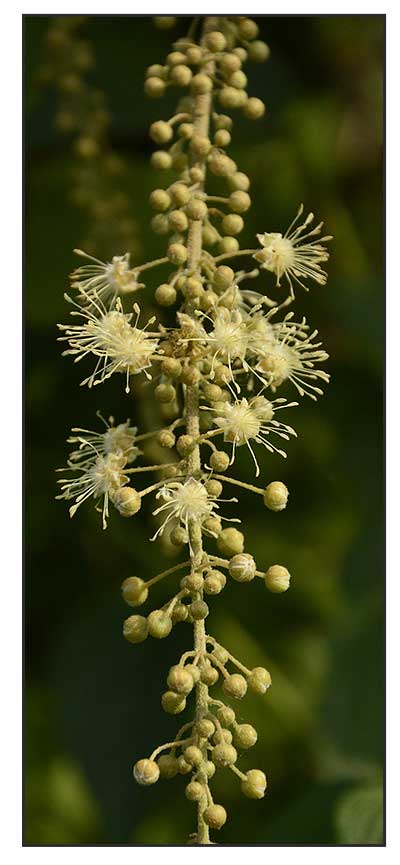
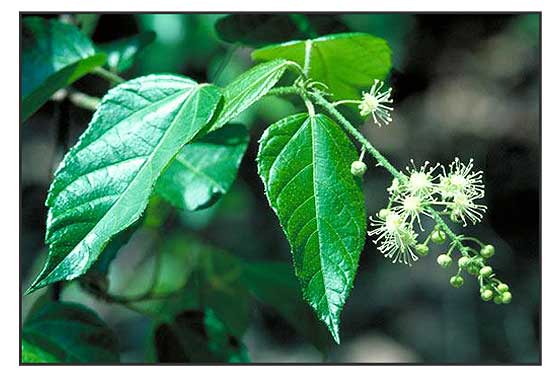
• Alimpai is a straggling, climbing shrub. Leaves are extremely variable, the smaller ones ovate-cordate and 2.5 to 7.5 centimeters long, the larger ones, orbicular-cordate and 10 to 18 centimeters long. Margin is coarsely toothed and often has a gland at the sinus or else in the teeth. Racemes are very long, slender, 10 to 18 centimeters long, solitary, and terminal. Male flowers are hairy, with sepals and petals of equal length. Female flowers have sepals that are ovate or oblong, and the petals very minute, subulate, and long-ciliate. Fruit is a capsule, woody, nearly spherical or broadly oblong, 2 to 2.5 centimeters long, terete, or with 6 slender ridges. Seeds are unusually variable, most often dorsally compressed, and slightly rugose.
• Scandent shrubs 2-3 m tall; indumentum densely stellate-hirsute; branches subglabrous. Petiole 0.5-1.5 cm, apex with 2 discoid glands; leaf blade ovate, 4-6 × 3.5-4.5 cm, papery, abaxially densely stellate hairy, adaxially sparsely ruggedly stellate hairy, base broadly cuneate to rounded, often with pair of stalked glands, margins obscurely serrulate, sometimes with glands, apex acute, sometimes caudate-acuminate; basal veins 3(-5), lateral veins 3(or 4) pairs. Inflorescence terminal, 8-16 cm; bracts linear, ca. 2 mm, densely stellate-hairy. Male flowers: sepals ovate, ca. 2.5 mm, densely stellate-hairy; petals oblong, as long as sepals, margins white woolly; stamens ca. 20; filament bases densely white woolly. Female flowers: sepals ovate, ca. 3 mm, densely stellate-hairy outside; petals oblong, smaller than sepals; ovary densely hispid; styles bifid, linear. Fruits globose, ca. 1 cm in diam., densely yellow-brown stellate-hispid. (Flora of China)
Distribution
- Native to the Philippines.
-
In Benguet, Pangasinan, and Rizal Provinces in Luzon, and in Palawan.
- In thickets and ravines at low altitudes, ascending to 400 meters.
- Also native to Assam, Bangladesh, Borneo, Cambodia, China South-Central, Christmas I., East Himalaya, India, Jawa, Laos, Lesser Sunda Is., Malaya, Myanmar, Nepal, Pakistan, Queensland, Sri Lanka, Sulawesi, Sumatera, Thailand, Vietnam. (12)
 Constituents Constituents
- Study yielded crotocaudin, a norditerpene; acogener, teucvidin; and several triterpenoids – taraxerone 2, taraxerol 3, and taraxerol acetate 4.
- Study yielded a new flavone, named crotoncaudatin, from the stems of Croton caudatus Geisel. var. tomentosus Hook., together with nine known analogues: 3,5,6,7,8,3′,4′-hepta- methoxyflavone, tangeretin, nobiletin, 5,6,7,4′-tetramethoxy-flavone, sinensetin, kaempferol, tiliroside, kaempferol-3-Orutinoside, and rutin. (3)
- Stem bark yielded triterpenoids (taraxerone, taraxerol and taraxeryl acetate) and norditerpenes crotoncaudin, teuvidin, isocrotocaudin and 5α-stigmastane-3,6-dione.
- Crude ethanolic extract of leaves yielded flavonoids, alkaloids, cyanogenetic glycosides, and phenolic compounds.
- An ethanolic extract showed steroids and/or terpenoids, flavonoids and their glycosides as major constituents. (See study below) (11)
- Qualitative phytochemical analysis of leaves yielded alkaloids, phytosterols, saponins, phlobatannins, cardiac glycosides, flavonoids, phenolics, and terpenoids. (13)
- Study of stems of Croton caudatus Geisel. var. tomentosus Hook. isolated a novel sesquiterpene, crocaudatol (1) along with a known sesquiterpene, oplopanone (2). (21)
- Study of twigs and leaves of C. caudatus var. tomentosus yielded a new 9,10-seco-abietane derivative, crotontomentosin A (1), four new abietane-type diterpenoids, crotontomentosins B–E (2–5), one new ent-halimane-type diterpenoid, crotontomentosin F (6), along with five known diterpenoids (7–11) and one known sesquiterpenoid (12). (see study below) (22)
-
Qualitative phytochemical analysis of chloroform, methanol, and aqueous extracts of C. caudatus using thin layer chromatography (TLC) yielded alkaloids, phytosterols, saponins, phlobatannins, cardiac glycosides, flavonoids, phenolics and terpenoids. (23)
- Phytochemical screening of aqueous, chloroform, and ethanolic leaf extract revealed presence of steroids, triterpenoids, phenols, flavonoids, saponins, alkaloids, cardiac glycosides, phlobatanins, with absence of tannins. (32)
- TLC profile of aqueous leaf extract using different solvents (chloroform, ethanol, aqueous) revealed presence of steroids, triterpenoid, phenols, flavonoids, saponins, alkaloids, cardiac glycosides, and phlobatanins with absence of tannins in all three solvent extracts. (36)
Properties
- Studies have suggested antibacterial, antifungal, antioxidant, anticancer, insecticidal, larvicidal, genotoxic, spermatogenesis-enhancing, analgesic, anti-inflammatory, antipyretic, anti-leishmanial, properties.
Parts used
Leaves, roots.
 Uses Uses
Edibility
- Not considered an edible food plant.
Folkloric
- Poultice of leaves applied to sprains.
- Leaves also used for poulticing fevers.
- Young leaf buds are powdered with leaves of Caesalpinia sappan and used for liver diseases.
- Root decoction used for purging, for fevers and colds, and also administered for constipation.
- Traditional healers in India use it for cancer, diabetes, sinusitis, malaria, fever, liver diseases, piles.
- Used for sprains, arthritis, and liver disorders.
- Leaves used for malaria, cancer, indigestion and diabetes.
- Leaf paste applied for arthritis and treatment of paralysis.
- In India, used for various ailments, including cancer. Root decoction given to women after delivery.
- In Western Ghats, India, reported tribal use of leaves as diuretic and as poultice for sprains; roots used for malaria.
- In India ethnomedicinally used for treatment of liver diseases, fever, and sprains.
- In China, used for treatment of stomach pain and diseases. Stems used in the treatment of fever, malaria, convulsions, and rheumatic arthritis. (13)
- In traditional Dai Nationalistic medicine, stems and leaves used for treatment of malaria, ardent fever, convulsions, rheumatic arthritis, and numbness. It is a constituents in Qi Wei Ke Teng Zi Wan, a famous formula used by Dai nationality of China for treatment of pain and stomach diseases. (36)
Others
- Veterinary: In China, leaves applied to festering wounds of injured cattle to ward off maggots. (13)
- Crafts: Stems used for making baskets.
- Veterinary: In India, leaves applied on festering wounds of injured cattle to ward off maggots. (36)
Studies
• Crotocaudin: Study yielded crotocaudin, a norditerpene occurring as a minor constituent in Croton caudatus Geisel. A cogener, teuvidin was obtained as a major component with several triterpenoids - taraxerone 2, taraxerol 3, and taraxerol acetate 4. (2)
• Antioxidant / Leaves: Study of an ethanol extract of leaves of C. caudatum showed effective antioxidant activity in all of four assay techniques used. (4) Study of various extracts of leaves showed a concentration dependent inhibition of DPPH, OH, O2, NO, and FRAP free radicals. Activity was attributed to the presence of various polyphenols. (15)
• Anti-Cancer Activity: A team of research scholars of Manipur University life sciences department has been able to confirm the name of the claimed anti-cancer plant locally known as Damdawi as Croton caudatus, Geis., a Euphorbiaceae. Study of leaves yielded crotoflorine, crostsparimine and sparsiflorine. Roots and stems yielded dotriacontamol, beta amyrine, and beta sitosterol. (5) (6)
• Larvicidal / Insecticidal: Study evaluated the synergistic effect of extracts of Croton caudatus fruits and Tiliacora acuminata flowers against the larval forms of Culex quinquefasciatus. Results showed highest mortality at 0.5% crude extract and 75 ppm solvent concentration for fruits of CC and flowers of TA individually. Secondary metabolites may be responsible for the larvicidal activity. Results present insecticides of plant origin as an alternative to toxic chemicals. (7)
• Genotoxic / Clastogenic Potential / Leaves: Study of an aqueous extract of leaves injected intraperitoneally in mice showed chromosome aberrations, abnormal chromosome behavior, and synaptonemal complex damages indicating a clastogenic potential. (10)
• Protective Against Experimental Visceral Leishmaniasis / Induction of Pro-Inflammatory Cytokines / Leaves: Study evaluated C. caudatus var. tomentosus Hook against parasitic protozoans in vitro and in vivo. Among five semi-purified extracts of leaves, hexane extracted EA-hexane solvent was the most effective growth inhibitor against Leishmania promastigotes and amastigotes, with significant alteration of biochemical parameters in promastigotes and reduced replication of intracellular amastigotes with concomitant release of NO and pro-inflammatory cytokines. (14)
• Antimicrobial / Leaves: Study evaluated various extracts of leaves for antioxidant and antibacterial activity against human pathogenic gram-negative and gram-positive bacteria and antifungal activity against both human and plant pathogens. All extracts showed varied levels of antimicrobial activity. The ethanolic extract showed good activity against S. aureus and Pseudomonas putida, while a methanolic extract showed good activity against Candida albicans. (16)
• Anticancer / Antioxidant / Analgesic / Leaves: Methanol and aqueous extracts showed potent anticancer activity in vivo (%ILS- 92.5%). An aqueous extract showed an IC50 value 28.36 µg/ml in vitro. The extracts significantly reduced acetic acid and formalin-induced pains in mice. Aqueous extract showed significant DPPH and NO radical scavenging potentials. (17)
• Synergism of C. caudatus Fruits with T. acuminata Flowers against Culex quinquefasciatus: Study investigated the synergistic effect of crude and solvent extract of C. caudatus fruits and T. acuminata flowers against the larval form of Culex quinquefasciatus. The combined form of C. caudatus fruits and T. acuminata flowers showed good bioactive potentiality against Cx. quinquefasciatus larvae due to synergism of the plant extracts. The plant extract seemed ecologically safe to use in field conditions. (18)
• Antinociceptive / Anti-Inflammatory / Antipyretic / Leaves: Study of an ethanolic extract of leaves showed 47% protection in carrageenan-induced edema. The extract showed dose-dependent reduction in nociception. Naloxone reversed the antinociception of the extract in hot plate testing, indicating morphinomimetic properties. The extract also decreased rectal temperatures in yeast-induced pyrexia in rats. An ethanolic extract produced 47% protection in carrageenan-induced edema. (19)
• Diterpenoids / Cytotoxicity / Twigs and Leaves: Study of twigs and leaves of Croton caudatus var. tomentosus yielded crotontomentosins A-F (1-6), along with five known diterpenoids (7-11) and one known sesquiterpenoid (12). Compounds 1-4 and 11 exhibited moderate to weak inhibitory activity against proliferation of Hela, Hep G2, MDA, MDA-MD-231, or A549 cell lines selectively. (see constituents above) (22)
• In Vitro Cytotoxicity / Leaves: Study using MTT assay and SRB assay showed the in vitro cytotoxic activity of a methanol extract of leaves of C. caudatus on HeLa cells (human cervical cancer cell lines). (24)
• Anticancer / Cultured HeLa Cell: Study evaluated the anticancer activity of Kam sabut in cultured HeLa cells by MTT, clonogenic, apoptosis and enzymes assays. MTT assay showed treatment of HeLa cells with different doses of various extracts caused a rise in cell killing effect. The ethanol extract was , most cytotoxic. The killing effect of the ethanol extract was attributed to DNA damage induction as evidenced by increased frequency of micronuclei, and apoptosis accompanied by reduced glutathione concentration and increased lipid peroxidation and lactate dehydrogenase release. (25)
• Effect on Reproductive and Biochemical Parameters / Spermatogenesis Enhancing / Roots: Study evaluated the effect of Croton caudatus aqueous root extract on reproductive and biochemical parameters in male Wistar rats. Results showed significant (p<0.05) increase in total sperm count, concentration, and motility. At dose of 16mg/kg there was significantly decreased percentage of abnormal sperm morphology. Testosterone hormone levels were highest at 4 mg/kg. Histological study showed significant increase in germinal epithelial height and decrease of lumen size. Results suggest 4 mg/kg of CG extract has potential to increase spermatogenesis activity within the seminiferous tubules without toxic effect to liver or kidney. (26)
• Acute Toxicity Study / Leaves: Study evaluated the acute toxic effects of different doses of various extracts of C. caudatus leaf using OECD guideline in tumor bearing and non-tumor bearing mice transplant with Dalton's lymphoma tumor. Intraperitoneal administration showed a dose dependent increase in acute toxicity, with toxic effects highest with the aqueous extract compared to chloroform and ethanol extracts. The combination of radiotherapy and chemotherapy leads to higher toxicities. Based on intraperitoneal LD50 values, the crude extracts of CCE belong to class 5 category (LD50≥2000mg/kbw), which comes under the lowest toxicity class. The most effective dose was 1/4 of LD50 indicating safety of the drug. (28)
• Platinum Nanoparticles / Leaves: Study reports on the eco-friendly, cost-effective, rapid green synthesis pf platinum nanoparticles using an aqueous leaf extract as reducing and capping agent. (29)
• Anticancer Nanoparticles / Leaves: Study evaluated the anticancer activity of Kam sabut in cultured HeLa cells. Cytotoxicity of 0, 20, 40, 80, 160 or 320 µg/ml chloroform, ethanol, and aqueous extracts were studied in cultured cells by MTT, clonogenic, apoptosis, and enzyme assays. MTT assay showed treatment of HeLa cells caused a rise in cell killing effect depending on exposure dose. There was dose dependent decline in cell survival and increase in micronuclei and apoptosis induction. The ethanol extract was most cytotoxic. The extract reduced glutathione concentration along with increase in lipid peroxidation and release of lactate dehydrogenase. (31)
• Anticancer / Hepatocellular Carcinoma / Review: Croton caudatus has emerged as a promising source of phytoconstituents with hepatoprotective and anticancer potential. Study assessed its roles in mitigating oxidative stress, inflammation, apoptosis, and liver injury, and its pathways associated with HCC progression. Evidence supports further preclinical and clinical evaluation against hepatocellular carcinoma. (33)
• Antimalarial / Experimental Cerebral Malaria (ECM) / Leaves: Study evaluated the antimalarial activity of C. caudatus leaf extract and fractions, and its underlying molecular mechanisms. The hexane fraction (CcHex) inhibited ß-hematin polymerisation, reduced hemozoic formation, and increased intracellular ROS levels in parasties, suggesting disruption of heme detoxification. CcHex treatment impaired male gametocyte exflagellation, indicating potential transmission-blocking activity. Acute toxicity study showed a favorable safety profile. In P. berghei-infected mice, CcHex produced ~62% parasite suppression at 1000 mg/kg/d. CcHex treatment also protected against ECM by preserving blood-brain barrier integrity and significantly reducing expression of pro-inflammatory cytokines (TNF-α and IFN-γ), chemokines, adhesion molecule, and CD8 T cell infiltration. C. caudatus possesses significant antiplas-modial, transmission-blocking, and cerebral malaria-protective activities. The potent antimalarial efficacy was attributed to inhibition of parasite heme detoxification, induction of oxidative stress, and modulation of host inflammatory responses. Results suggest potential as source of bioactive phytochemicals for development of novel antimalarial and adjunctive treatments against severe malaria. (34)
• Anticancer / Induction of Cell Differentiation in Myeloid Leukemia / Leaves: Study evaluated the anticancer activity of leaf crude extract of CCG on acute myeloid leukemia cell line, HL60. Results showed CCG increased expression of a marker for monocyte/macrophage differentiation, CD11b, and induced arrest of cell cycle at S phase. The extract showed very high ROS activity. Results suggest potential as agent for differentiation induction chemotherapy (DIC) for leukemia. (35)
• Protective Against Visceral Leishmaniasis / Leaves: Study evaluated evaluated Croton caudatus var. tomentosus leaves for active extracts effective against the parasitic leishmanial protozoans in vitro and in vivo. Among five semi-purified extracts, C. caudatus leaves extracted in hexane was found most effective growth inhibitor (JDHex) against Leishmania promastigotes and amastigotes. JDHex significantly altered biochemical parameters (protein, lipid, and carbohydrates) in promastigotes, followed by morphological changes, DNA condensation and subsequent apoptosis in L. donovani. JDHex reduced parasite burden in the liver and spleen and increased intracellular IFN-γ and decreased IL-10 in CD4+ T cells in splenocytes. Results support further exploration of novel anti-leishmanial leads from C. caudatus against L. donovani infection. (37)
• Gold Nanoparticles / Antibacterial, Antifungal, Radical Scavenging, Cytotoxicity / Leaves: Study reports on the green, novel biosynthesis of gold nanoparticles using C. caudatus extract. The AuNPs showed considerable antimicrobial and antifungal activity, high reducing power, and in-vitro anti-proliferative activity. (38)
Availability
Wild-crafted. |