Gen info Gen info
• Rice is grown in over 100 countries, and with over 18,000 varieties it accounts for about 25% of the world's grain production. (7) Global rice consumption was about 490.27 million metric tones in 2019. It provides up to 50% of calories consumed by populations in Asia.
• Rice bran is the most important rice by-product. The bran fraction contains 14-18% oil. Undefatted RB is useful as a binder in mixed feeds. Deffated RB can be used at higher levels than ordinary RB. RB is often adulterated with rice hulls for a crude fiber cont43nt of 10-15. (Göhl, 1982) (21)
•
Darak was first used in the
early 1900s for "taon," a disease afflicting children,
successfully treated with daily doses of a sweetened decoction
of dry roasted darak. The affliction was later identified as "beriberi."
Twenty years later, Manuel Zamora, a pharmacist, developed a
darak extract in syrup form, bottling it as "Tiki-tiki."
• Etymology: Darak, the Filipino name for rice bran, derives from the Malay word dedak (meaning "bran) which derives from the Proto-Malayo-Polynesian root dekdak, meaning "to pulverize or crush by pounding", which refers to the traditional method of separating the nutrient-rich outer layer of the rice from the grain through mortar and pestle pounding.
• Rice bran (RB) is a nutrient-rich by-product of the rice milling process. It is the hard outer layer between the inner white rice grain and the outer hull (husk). It consists mainly of pericarp, seed coat, nucellus, and aleurone layer. It contains 50% carbohydrate (mainly starch), 20% fat, 15% protein, and 15% dietary fiber (DF), mainly insoluble fiber.
• About 6% of the bulk of rice is made up of rice bran, a by-product of rice milling; frequently comprising of rice germ, seed coatings, aleurone layers, and brown rice shells.
RB is rich in phytic acid, poly-saccharides, protein, dietary fiber, and vitamins. On of them, γ-oryzanol, has anti-inflammatory, anticancer, antidiabetic, and antioxidant properties. RB contains roughly 90% insoluble dietary fiber, of which 22% is hemicellulose. The most prevalent hemicellulose are arabinoxylans, known to benefit immunoregulatory and glycemia-reducing functions.
• Milling of the paddy yields 70% rice (endosperm) as the major product, with by-products of 20% rice husk, 8% rice bran and 2% rice germ. (7)
• Nutrient composition of RB depends on rice variety and the efficiency of the milling process.
• Rice bran (which includes the germ) is the main by-product of rice processing and accounts for about 64% of the nutrients found in each rice kernel.
• In 2009,, the estimated annual world production of rice bran was 76 million tonnes (Kahlon, 2009).
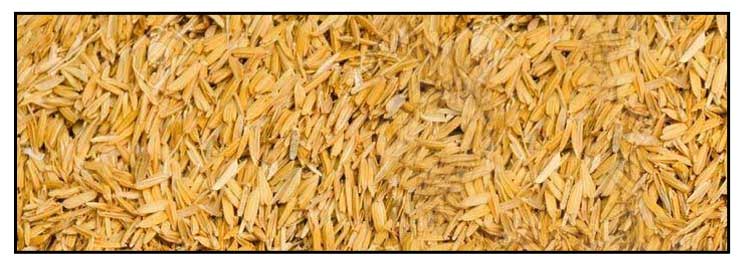
• Ipa and Darak: Ipa is sometimes confused with darak. In the Philippines, ipa refers to the rice hulls or husks (the hard outer covering), while rice bran is darak, the powdering inner layer.
 Constituents Constituents
- Each 100 kg of paddy rice will yield about 5 to 10 kg of bran.
-
Contains vitamins A, B complex,
D and E; fat, 20%; carbohydrates; proteins; adenine; choline;
arachidic, behenic, lignoceric, palmitic, and oleic acids; phytosterin.
- Rice bran along with the germ yields phytonutrients like oryzanols, tocopherols, tocotrienols, phytosterols, 20% oil and 15% protein, 50% carbohydrate (mostly starch) dietary fibers like beta-glucan, pectin, and gum[3,8- 10].
(7)
- Yields a rice bran oil rich in vitamin E tocopherol and tocotrienol. It has a saturated fatty acid to good monosaturated fatty acid ratio of <10:10-15.
- The higher oryzanol levels in RBO may contribute to the higher FFA values in this oil.
(13)
- RBO content of linoleic acid is moderate among the vegetable oils (-40% of total fatty acids), but still a rich source. It also contains relatively high proportion of oleic acid (40%). There is detectable amounts of α-linolenic acid (1 to 3%), which may be enough to increase the content of (n-3) highly polyunsaturated fatty acids such as eicosapentaenoic and docosahexaenoic acids in tissue phospholipids. The remaining major fatty acid in RBO is palmitic acid, 17%.
(6)
- Rice bran oil refining industry produces residues such as wax sludge, gum sludge and soap stock that are a rich source of many neutraceuticals like oryzanols, tocopherols, tocotrienols, ferulic acid, phytic acid, lecithin, inositol and wax. (7)
- Nutritional analysis of crude rice bran per 100g:
Nutrient: Energy 316 kcal; protein 13.35 g, total fat 20.85g, saturated fatty acids 4.17 g, monosaturated fatty acids 7.55 g, polyunsaturated fatty acids 7.46 g, carbohydrate 49.69 g, fiber (total dietary) 21 g; Minerals: calcium 57 mg, iron 18.54 mg; magnesium 781 mg; phosphorus 1677.0 mg, potassium 1485.0 mg, zinc 6.04 mg, manganese 14.21 mg, selenium 15.60 mg; Vitamins: thiamine 2.75 mg, riboflavin 0.28 mg, niacin 34.00 mg, pantothenic acid 7.39 mg, vitamin B6 4.07 mg, folate 63.00 µg, choline 32.20 mg, vitamin E (alpha-tocopherol) 4.92 mg, vitamin k (phylloquinone) 1.90 µg. (18)
- Rice bran oil composition is similar to peanut oil: 38% monosaturated, 37% polyunsaturated, and 25% saturated fatty acids.
Fatty acid composition: myristic acid 0.6%, palmitic acid 21.5%, stearic acid 2.9%, oleic acid (an omega-9 fatty acid) 38.4%, linoleic acid (an omega-6 fatty acid) 34.4%, α-linoleic acid (an omega-3 fatty acid) 2.2%.(19)
- LC-MS analysis of rice bran revealed multiple phytochemicals including apiin, ferulic acid, and succinic acid. (see study below) (23)
Properties
- Rice bran oil is low in saturated fat. 100 kg of paddy rice will yield about 5 to 10 kg of bran.
- Rancidity of rice bran has hampered complete exploitation of potential use and application for cholesterol reduction, combating cancer, alleviating menopausal and postmenopausal symptoms
- Studies have suggested hypocholesterolemic, antihyperglycemic, probiotic, antioxidative, laxative, anti-aging, anti-inflammatory, metabolic syndrome-beneficial,, antiurolithiatic, anti-atherosclerotic, anti-aging, anti-obesity, immunomodulatory, anti-depressive, gut microbiota-modulating, metabolic syndrome-ameliorating properties.
 Uses Uses
Edibility
· Used as food supplement or additive.
· Rice bran yields an edible oil.
- Rice bran oil is used in various food preparations and the basis of some vegetable ghee. (19)
Folkloric
· Beriberi
and other vitamin deficiencies: 25% tea decoction. The bran can
also be made into cookies or mixed with other bakery products.
· Laxative: Two teaspoons of Darak in one glass of water;
cool, stir well and drink, daily as needed.
Others
· Fringe
folkloric: Pillows
stuffed with darak has been used as a sleep aid for insomniacs.
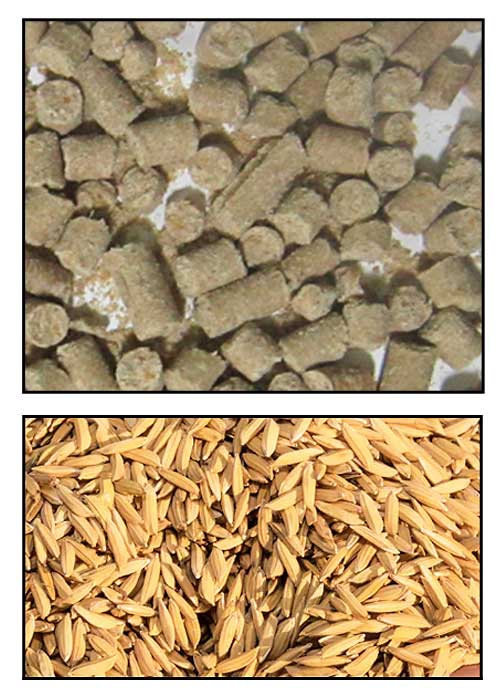
· Animal Feed: Earlier, used primarily as animal feed. Present used as addition to pig and poultry feeds.
· Wax: Rice bran wax (RBW) is a by-product of the dewaxing step of the refining process, with potential applications in pharmaceutical, food, cosmetic, polymer and leather industries. (7)
· PHA: Polyhydroxy alkanoates (PHA) are environment-friendly analogues of pterochemical derived plastics, with potential applications in the manufacture of paper, cardboard, food trays, controlled drug release, sutures, paramedical disposables and therapeutic devices. (7)
-
Wax: Rice bran wax from rice bran oil is used as substitute for carnauba wax in cosmetics, confectionery, shoe creams, and polishing compounds. (19)
Studies
• Rice Bran Oil / Hypocholesterolemic: Study assessed the effects of defatted rice bran and rice bran oil in an average American diet on blood lipids in moderately hypercholesterolemic persons. Defatted rice bran diet did not lower lipid concentrations. However, total cholesterol was significantly lower with diet containing rice bran oil; also, the LDL was lower, while HDL remained unchanged. Study concludes that rice bran oil, not fiber, lowers cholesterol in healthy, moderately hypercholesterolemic adults, and that the reduction in cholesterol was due to other components in the rice bran oil, such as unsaponifiable compounds. (1)
• Phytic Acid: Study investigated methods for improved extraction and purification of PA (phytic acid) with high purity and yields. Phytic acid, once considered an anti-nutritional compound, has become known for its beneficial effects on human health (diabetes, renal calculi, Parkinson's disease, and cancer). (2)
• Benefits of Stabilized Rice Bran on Glucose and Lipid Parameters in T2DM: Stabilized rice bran (SRB), a source of complex carbohydrates, tocols, α-oryzanols, and polyphenols, treated with carbohydrates and heat yielded RBWS (rice bran water solubles) and RBFC (rice bran fiber concentrates. SRB and its fractions were fed to insulin dependent and non-insulin dependent diabetic subjects. Results showed RBWS significant reduced hyperglycemia, while RBFC reduced hyperlipidemia in both types of diabetes. (3)
• Cooking with a Blend of Sesame and Rice Bran Oil: Study presented at the American Heart Association's High Blood Pressure Research 2012 Scientific Sessions suggested that people who cooked with a blend of sesame and rice bran oil saw significant drop in blood pressure and improved cholesterol levels. The decrease in BP was nearly as well as prescribed high blood pressure medications, and the use of the oil blend with medication yielded even more impressive results. (5)
• Hypocholesterolemic / RBO and Safflower Oil Blend: Study observes the blending of rice bran oil and safflower oil at definite proportion (7:3 wt/wt) magnifies the hypocholesterolemic efficacy, compared to the effect of each alone. The presence of peculiar components such as gamma-oryzanol and tocotrienols could be responsible for the hypocholesterolemic effect of RBO. (6)
• Rice Bran as Food Additive / Dietary Fiber / Laxative / Decreased Colon Risks: Its major use as additive is due to its dietary fibers conferring a good laxative property. Studies have also shown that the intake of dietary fiver was inversely related to the occurrence of colorectal cancer.
• Decreased Atherosclerotic Plaque and Antioxidative Effects: Study reported the influence of supplementation of black and white rice outer layer fractions on atherosclerotic plaque formation induced by hypercholesterolemia in male rabbits. The inhibition of atherosclerotic plaque formation from black rice outer layer fraction might be mediated by antioxidative or anti-inflammatory effects. (8)
• Anti-Aging Components: Oryzanol component acts as a protective agent against UV light induced lipid peroxidation with potential use as sunscreen plant. Ferulic acid and its esters in gamma oryzanol stimulated hair growth and prevents skin aging. (7)
• Long-Term Storage Effect / Refined and Crude RBO: Stability of tocopherols and tocotrienols in crude oil was completely different from that in refined oil. Compared to tocopherols, sterols showed a better stability during the entire storage period. The exposure to daylight heavily affected the composition and the stability of both crude and refined rice bran oil. (9)
• Long-Term Storage Effect / Refined and Crude RBO: A PGIMER study in India showed the oryzanol present in rice bran oil had better cholesterol lowering properties, decreasing total cholesterol, LDL cholesterol and triglyceride levels when compared to olive oil and ground nut oil in a randomized, open labeled study even without diet restriction and physical activity instructions issued. (10)
• y-Oryzanol / UV Protection: Along with lecithin, tocopherols and tocotrinols, y-oryzanol is one of the waste products of rice bran during the refining process. It is a mixture of ferulic acid esters of sterol and triterpene alcohols, occurring in rice bran oil at 1-2% serving as antioxidant. It has a protective role in UV-light induced lipid peroxidation, hence it is used as sunscreen agent. Ferulic acid and its esters stimulate hair growth and prevent skin aging. (11)
• γ-Oryzanol / Effects on Menopause: Two uncontrolled studies investigated the use of γ-oryzanol for menopause. A Japanese study reported it halved menopausal symptoms such as hot flushes in 67% of women. A later Japanese study on perimenopausal women receiving 300 mg of γ-oryzanol daily reported 90% improvement in women with 40% experiencing "excellent effectiveness." (11)
• Safety for Human Consumption: Toxicological studies of RBO by the food safety evaluation protocol of WHO/FDA/DGHS were carried out in rats for three generations. The reproductive performance was comparable to GNO (ground nut oil)-fed animals. The results indicated that there were no abnormalities in any of the parameters studied, indicating the safety of RBO for human consumption. (12) Rice bran has been used by adults in doses of 1-20 grams by mouth daily for up to 5 years. (16)
• Effect of Supplementation on Metabolic Syndrome / Review and Meta-Analysis: A systematic search for randomized controlled clinical trials and meta-analysis evaluated the effects of rice bran on anthropometric measures, blood pressure, glycemic control, and lipid profiles in individuals with metabolic syndrome (MetS). Rice bran significantly reduced systolic blood pressure, diastolic blood pressure, and HbA1C. Lipid profiles improved with reductions in total and LDL cholesterol, and an increase in HDL cholesterol. Findings suggest rice bran supplementation is a promising natural dietary strategy for managing and preventing MetS. (17)
• Effect on Inflammatory Markers Among Overweight and Obese Adults: Dietary fiber is an important component of diet that could be effective for controlling weight and inflammatory factors. Study compared the effects of rice husk powder and rice bran on inflammatory factors along with energy-restricted diet in overweight and obese adults. Results showed positive effects of rice bran and rice husk powder supplementation combined with an energy-restricted diet on inflammatory markers. (20)
• Phyto Steryl Ferulates / Anti-Inflammatory / Biologic Activities: Steryl ferulates are among important bioactive phytochemicals in rice bran, which include γ-oryzanol and its major components cycloartenyl ferulate (CAF), 24-methylenecycloartanyl ferulate (24-mCAF), ß-sitosteryl ferulate (ß-SF), and campesteryl ferulate. In vitro and in vivo studies have clarified that RB phytosteryl ferulates mediate anti-inflammatory effects by down-regulating the inflammatory transcription factor nuclear factor (NF-kB), which in turns reduces expression of inflammatory enzymes COX-2 and iNOS and pro-inflammatory cytokines such as IL-1ßm IL-6, and TNF-α. RB phytosteryl ferulates also up-regulate blood adiponectin levels via indirect activation of peroxisomal proliferator-activated γ (PPARγ) through NF-kB inhibition. (22)
• Immunomodulatory / Anticancer / Antimicrobial: Study evaluated the effect of RB for preventing cancer and stimulating the immune system in mice using mouse fodder supplemented with rice bran. DPPH assay was used to determine antioxidant activity. EMNT6/P breast cancer cells for anticancer activity, and antibacterial activity against three bacterial strains. Ethanol and n-hexane extracts showed highest antiproliferative activity, while ethanol and methanol extract showed highest activity in inducing apoptosis and inhibition of angiogenesis. Both extracts showed enhancement of immunity via activation of lymphocytes and phagocytes proliferation with modulations of cytokine levels. Incorporation of rice bran in mice food caused 20% regression in tumor development and growth. Extracts showed limited antimicrobial activity. The ME showed antioxidant activity with IC50 of 114 µg/mL. (see constituents above) (23)
• Antiproliferative in Glioma Cells / Antioxidant: Study evaluated the antioxidant and cytotoxic activity in C6 glioma cells of rice bran methanolic extracts of three rice varieties. Methanolic extract from Njavara showed showed highest antioxidant and cell cytotoxic properties. IC50s for DPPH and NO were in range of 30..85-87.72 µg/ml and 52.25-107.18 µg/ml respectively. The crude methanolic extract showed significantly high polyphenolic compounds with superior antioxidant activity evidenced by highest reducing power, anti-proliferative activity in C6 glioma cells. (24)
• Antiuroliithiatic / Phytin in Rice Bran: Study evaluated the hypocalciuric effect of rice bran clinically and experimentally. Seventy patients with idiopathic hypercalciuria were treated with rice bran (10g daily) for 1 month to 3 years. In almost all patients, rice bran caused a significant decrease in urinary calcium excretion, which was maintained during treatment. Evidence of stones decreased among patients with rice bran for 1 to 3 years. Results suggest phytin may be an effective substance for reducing intestinal absorption of calcium and rice bran can be effective for prevention of recurrent urinary stone disease. (25)
• Biobran / Enhanced NK Activity / Benefit for the Geriatric Population / Clinical Trial/: Aging is associated with a decline in natural killer (NK) and natural killer T (NKT) cell function that may contribute to increased susceptibility to malignancy and infection. Study evaluated the hypothesis that arabinoxylan rice bran (Biobran/MGN-2), a denatured hemicellulose with known immunomodulatory activity, could counteract the decline in NK/NKT cells activity in geriatrics. A randomized, double-blind, placebo-controlled clinical trial evaluated the effect of Biobran/MGN-3 (500 mg/day) for 30 days. The effect of supplementation on NK/NKT cell activity was assessed using degranulation assay. Results showed Biobran/MGN-3 had no effect on total % if NK cells, however it enhanced the cytotoxic activity of induced NK cell expression of cluster of differentiation 107a. No side effects were observed. Other observed benefits included improved MCV, reduced liver aspartate aminotransferase enzyme levels, suggesting improved liver function. Results suggest Biobran/MGN-3 a significant increase in NK activity, which may increase resistance to viral infections and cancers in the geriatric population. (26)
• Rice Bran Oil / Decreased LDL / Increased Antioxidant Activity / Clinical Trial : Rice bran oil (RBO) is a major source of monosaturated fatty acid and gamma-oryzanol, which may lower blood lipids and oxidative stress. Study evaluated the effects of RBO containing different amounts of gamma-oryzanol on blood lipids, antioxidant, and inflammatory markers in a randomized clinical trial of 59 hyperlipidemic subjects. Results showed consumption of RBO significantly decreased LDL-C, significantly improved antioxidant status and levels of oxygen radical absorbance capacity (ORAC) and FRAP. Results suggest the decrease in LDL-C and increased antioxidant capacity may reduce cardiovascular risk factors. (27)
• Anticancer Activity / Effects of Fermentation: Rice bran is the main by-product of rice processing and contains approximately 64% of the nutrients in rice. Its various nutrients include rice bran proteins, oil, oryzanol, vitamins, polysaccharides, etc. Fermentation technology can increase the content of bioactive peptide, promote absorption efficiency, and improve functionality and added value of rice bran. Traditional zymogenous microorganisms include yeast, Aspergillus oryzae, lactic acid bacteria, and Lentinus edodes. Fermentation contributes to an increased amino acid content and decreased fatty acid content. Fermentation products can be used as high-quality feed and raw material for food and beverage productions. Rice bran extracts and fermentation products (FRB) serve a critical role in anti-inflammatory reaction, reducing plasma lipid effect, and increasing anticancer activity. Rice bran extracts and FRB are promising adjuvant therapeutic agents for cancer prevention and therapy, playing a critical role in suppressing local inflammation, arresting cancer cell cycle, promoting cancer cell apoptosis and enhancing the chemopreventive effects. RB extracts and fermentation products supplementation is a new clinically auxiliary strategy for the prevention or treatment of acute and chronic diseases. (28)
• Antiobesiity: Several studies have shown that RB could be a complementary pharmacological candidate to treat obesity. Study summarizes the composition of RB and its influence on host microbiome, possible mechanisms, and clinical studies on antiobesity properties. Study suggests consumption of RB oil and dietary RB extracts may assist in the management of obesity-associated health consequences. Dietary RB-based functional and nutritional supplements have potential as adjuvant treatment for obesity. (29)
• Improved Sleep Efficiency and Sleep Onset: A previous study reported RB supplement (RBS) administered to mice decreased sleep latency and induced non-rapid eye movement (NREM) sleep via inhibition of the histamine H1 receptor. A randomized, double-blind, placebo-controlled, 2-week study evaluated the benefit of RBS in 50 subjects with disturbed sleep. Compared to placebo, RBS led to significant polysomnographic changes, including decreased sleep latency, increased total sleep time, and improved sleep efficiency. Amount of stage-2 sleep significantly increased. No serious side effects were reported. Results suggest RBS improved sleep in adults with sleep disturbance. (30)
• Rice Bran Broth Bathing for Atopic Dermatitis: Study evaluated the effects of rice bran broth bathing therapy in 17 outpatients with atopic dermatitis. Rice bran broth was dissolved in a bathtub as medicinal bath. RB broth bathing was continued for 2-5 months. Efficacy in alleviating symptoms was excellent in 4 of 16 patients, good in 7, slightly effective in 4, and ineffective in one. One discontinued therapy after redness and itching increased after bathing. None of the 16 reported negative effects. There was no recurrence of initial symptoms during RBB bathing. RBBB therapy appears safe and clinically useful. (31)
• Alleviation of Depressive Symptoms / Clinical Trial: Preclinical research showed potential benefit of RB extract in improving depressive-like behaviors and symptoms. A randomized, double-blind, placebo-controlled trial evaluated the efficacy and safety of an 8-wk administration of RB supplement (RBS) in improving depressive-like behaviors and symptoms in 100 adults, aged 19-75 with scores of 7-24 on the Korean version of the Hamilton Depression Rating Scale. Dose of 1 g/d of RBS or placebo was given for 8 weeks. Results showed RBS may provide a beneficial effect on depressive symptoms of mild to moderate severity in adults. (32)
• Bio bran / Effect in Irritable Bowel Syndrome / Clinical Trial: Biobran, arabinoxyloan compound derived was rice bran, has been reported to have anti-inflammatory and immune modulatory effects. Study evaluated the therapeutic effects of Biobran in patients with 40 patients with diarrhea-predominant or mixed type IBS. Biobran group showed significant decrease in score of diarrhea and constipation and in CRP value. Study suggests that anti-inflammatory and/or immune modulatory effects of Biobran might be useful in IBS patients. (33)
• Arabinoxylan / Nutraceutical and Anticancer / Review: Rice bran arabinoxylan compound (RBAC) is derived from defatted rice bran through enzymatic processing with Lentinus edodes mycelium. Thesis examined the translational research on RBAC as functional food and nutraceutical, focusing on health benefits related to immunity, aging, and potential clinical applications in cancer treatment. Evidence suggests RBAC supplementation reduces oxidative stress and improves immune response by upregulating phagocytosis, enhancing natural killer cell activity, inducing dendritic cell maturation, and promoting T and B cells proliferation. RBAC inhibits mast cell degranulation to avoid hypersensitivity and downregulated processes in neoplasm angiogenesis. In the aging population, RBAC plays a role in enhancing QoL. Supplementation also prevents neoplasm by restoring host immune response and promotes cancer cell apoptosis directly. RBAC enhances efficacy of oncological treatments, protecting from side effects of chemotherapy and radiation. (34)
• Effect of RB Supplementation on Interferon-y Activity: Randomized, double-blind, placebo-controlled and parallel-group study evaluated the effect of dietary supplementation with rice bran fermented with Lentinus edodes (rice bran exo-biopolymer, RBEP - a substance known to contain arabinoxylan) on natural killer cell (NK) activity and cytokine production in healthy adults. Results showed supplementation of RBEP significantly increased IFN-γ production. The supplementation did not affect either NK cell activity or cytokine levels. (35)
• Antiobesiity / Rice Bran Extract: Obesity involving adipose tissue growth and development are associated with angiogenesis and extracellular matrix remodeling. Study hypothesized that rice bran extract (RBE) can regulate adipose tissue growth and obesity. Mice were fed a high fat diet (HFD) for 8 weeks then supplemented with 220 and 1,100 mg/kg/d RBE. Results showed reduced body weight and adipose tissue mass compared to untreated mice. There was also decreased blood vessel density in the adipose tissue. RBE downregulated Vegf and Mmp-2 mRNA levels in visceral fat tissue. Results demonstrate RBE at high concentrations significantly reduces adipose tissue mass and prevents obesity development in HFD-induced obese mice, possibly mediated via an anti-angiogenic mechanism. (36)
• Gut Microbiota Modulation: The prebiotic nature of RB rouses the growth of helpful bacteria in the gut, such as Lactobacillus and Bifidobacterium. Polyphenols and dietary fiber in RB are provoked by stomach bacteria. As consequence, butyrate and other short-chain fatty acids (SCFAs), which improve the reliability of the intestinal barrier and decrease inflammation. RB supplement consumption improves the richness of gut microbes, which is important for healthy metabolism and immune function. Inflection of gut microbiota is a fractional mediator of RB's antiobesity and antidiabetic effects. Further, RB can decrease gut dysbiosis in metabolic illness. (38)
• Immunomodulatory Effects and Mechanisms: Rice Bran Oil (RBO) is known for its immuno-modulatory properties, which improve immune response and attributed to high concentration of bioactive chemicals including γ-oryzanol, tocopherol, tocotrienols, and phytosterols. Oryzanol, among others, enhance the functionality of immune cells, including macrophages, natural killer (NK) cells, and
T-lymphocytes. RBO also affects production and release of cytokines, molecules that act as signals to control and regulate immune response, inflammation, and formation of blood cells.
The immuno-modulatory effects are largely attributed to its anti-inflammatory properties. (39)
Availability
- Rice bran capules, pellets, creams, oil capsules in the cybermarket.
-
Commercially available as animal feed.
 |