Gen info
- Moraceae is a family of flowering plants of about 48 genera and over 1100 species, commonly known as the mulberry or fig family. It used to be included within the now defunct order Urticales. Its fossil record dates back to late Cretaceous. (30)
- Broussonetia is a genus of four species (including one hybrid species) of trees in the family Moraceae.
(31)
- Introduced in the Philippines as a reforestation species and alternative source of fiber.
 - Historical snippet: In 1822, John Simm, a British taxonomist and editor of Curtis's Botanical Magazine, brutally degraded the Paper-Mulberry tree as a plant of little beauty. Despite the comment, the plant has been appreciated by plant lovers, grown in Asian and European gardens, and attained economic importance in Japan and the South-Sea islands. Seeds have been distributed from China as early as 1751, and for centuries prior, it has been cultivated in Asia and the Pacific islands as a source of fiber, food, and medicine. (2) - Historical snippet: In 1822, John Simm, a British taxonomist and editor of Curtis's Botanical Magazine, brutally degraded the Paper-Mulberry tree as a plant of little beauty. Despite the comment, the plant has been appreciated by plant lovers, grown in Asian and European gardens, and attained economic importance in Japan and the South-Sea islands. Seeds have been distributed from China as early as 1751, and for centuries prior, it has been cultivated in Asia and the Pacific islands as a source of fiber, food, and medicine. (2)
- Etymology: The genus name Broussonetia honors Pierre Marie Auguste Broussonet (1761-1807), a famous French physician and naturalist and Director and Professor of Botany at Le Jardin des plantes de Montpellier. The specific epithet papyrifera derives from the Egyptian word papyrus, meaning "paper" and the Latin word ferre, meaning "to bear or carry", which refers to the use of the bark for making paper.
- Broussonetia papyrifera was initially thought to be a mulberry (Morus species), but was later placed in the genus Broussonetia
which was named after Pierre Broussonet. (2)
- Paper mulberry played a significant role in the development of paper making.
(2)
- It is one of the plants mentioned in the Chinese classic "Shih Ching" (Book of Poetry),
a collection of folk songs, odes, and psalms, from between 1000 and 500 BC, (2)
- Paper making with paper mulberry fiber was established in China around 100 AD and reached Japan about 600 AD.
(2)
- The fiber has been used in Japan to make paper and throughout the Pacific
to make textiles. (2)
 Botany Botany
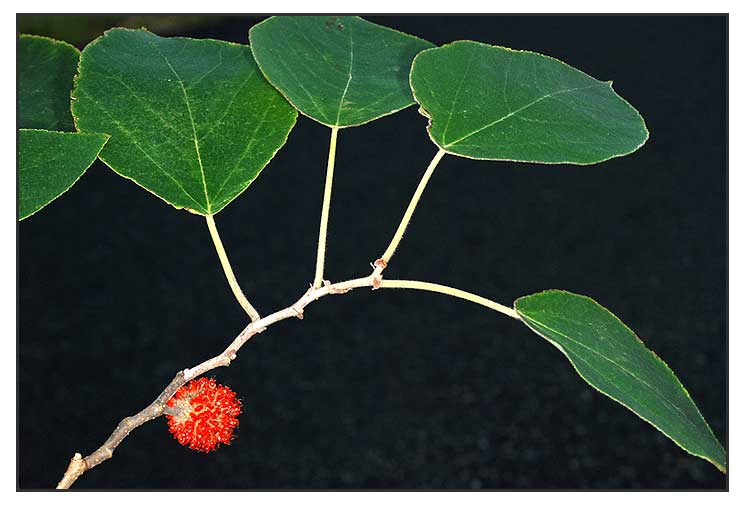
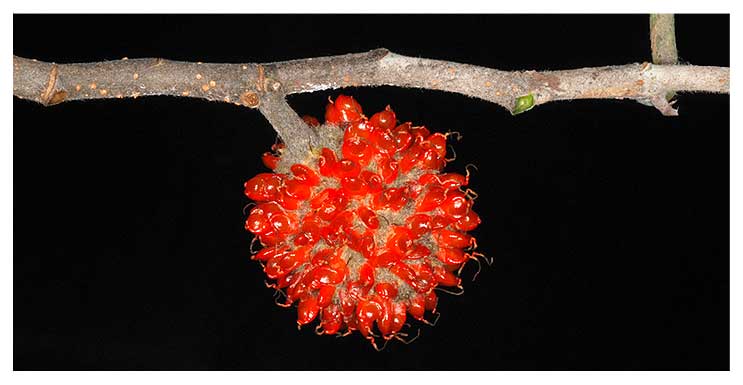
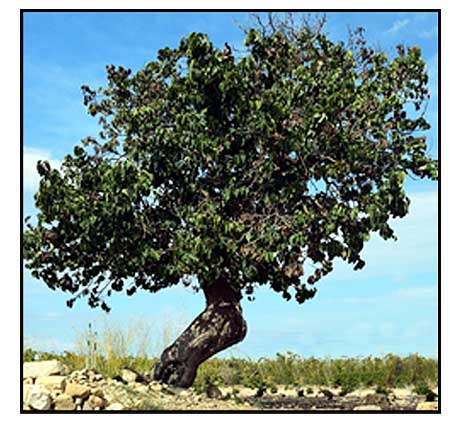
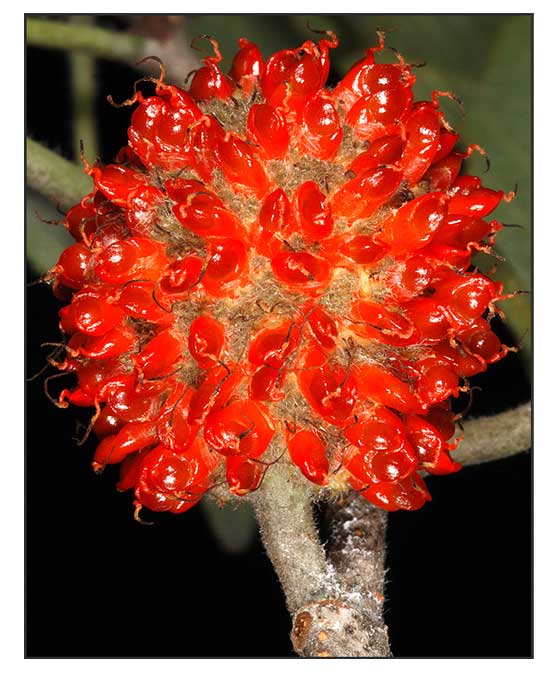
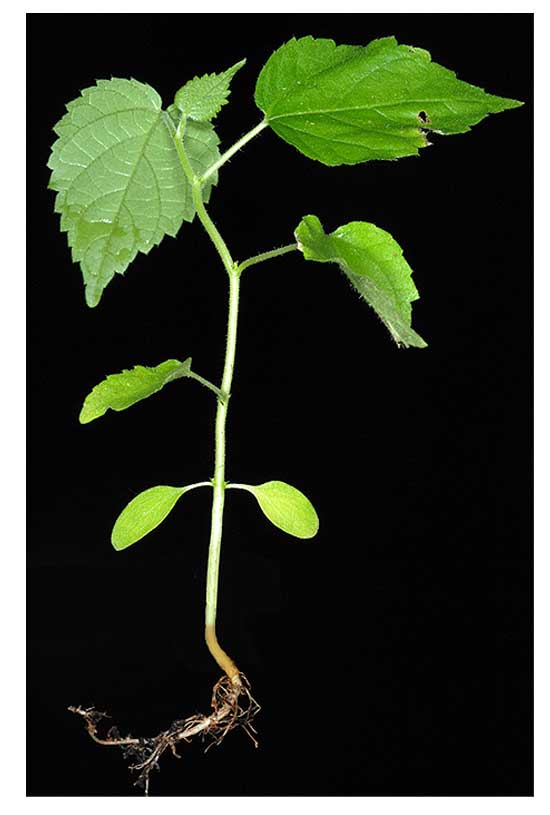
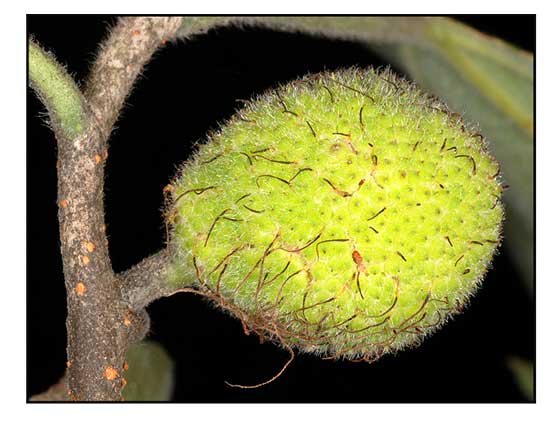
• Broussonetia papyrifera is a deciduous shrub or tree, 10-20 m tall, occasionally up to 35 m. Bark is light gray, smooth, with shallow fissures or ridges, containing a milky sap. Leaves are mulberry-like, rough, covered with soft hairs when young, about 15 cm long, alternate or subopposite, ovate, acuminate, borne on a stalk, toothed at the margins, dark green on the upper side, paler and woolly beneath. Leaf shape is variable: some deeply lobed, while others in the same shoot may be unlobed. Flowers may be male on female, borne on separate plants: female flowers are round, 0.5 inches in diameter, both pale to dark green in color and held in round heads, while male flowers are elongated, 1-2.5 inches long and occurring in groups. Fruits are edible, orange-red, round, and pear-shaped, which split into three parts to reveal a spongy, white inner surface. (2)
Distribution
- Introduced in the Philippines in 1936 as a reforestation species and as a source of fiber.
- Commonly planted as an ornamental shade tree.
- Now considered invasive—invading vast tracks of idle lands in the country. (1) Prone to become invasive when male and female trees are present.
- Native range includes Taiwan, China, Japan, Korea, Southeast Asia, Burma and India. (2)
 Constituents Constituents
- Study of ethyl acetate extract of bark isolated six preferableness from the barks of Broussonetia papyrifera— two new prenylflavones 5,7,3',4'-tetrahydroxy-3-methoxy-8-geranylflavone (1) and 5,7,3',4'-tetrahydroxy-3-methoxy-8,5'--diprenylflavone (2), as well as four known ones, uralenol (3), papyriflavonol A (4), broussoflavonol B (5), and broussochalcone A (6). (see study below) (6)
- Study of chloroform extract of roots isolated 12 polyphenols, 1-12, 4 of which were identified as chalcones (1-4), another 4 as flavans (5-8), 2 as flavonols (9 and 10), and 2 as novel species benzoflurenones (11 and 12). (see study below)
(7)
- Study of leaves isolated three new ent-kaurane type diterpenes, broussonetones A-C (1-3), together with seven known compounds,
(see study below)
(8)
- Study for Broussonetia papyrifera-derived polyphenols isolated compounds broussochalcone B (1), broussochalcone A (2), 4-hydroxyisolonchocarpin (3), papyriflavonol A (4), 3'-(3-methylbut-2-enyl)-3',4,7-trihydroxyflavane (5), kazinol A (6), kazinol B (7), broussoflavan A (8), kazinol F (9), and kazinol J (10). (see study below) (9)
- Study isolated two isoquinoline alkaloid compounds from an ethyl acetate extract of fruits and were characterized as N-norchelerythrine and dihydrosanguinarine, (see study below) (12)
- Study of leaves isolated two new megastigmane O-glucopyranosides, named (2R,3R,5R,6S,9R)-3-hydroxy-5,6-epoxy-β-ionol-2-O-β-d-glucopyranoside (1) and (2R,3R,5R,6S,9R)-3-hydroxyl-5,6-epoxy-acety-β-ionol-2-O-β-d-glucopyranoside (2) together with six known megastigmanes. (13)
- Fractionation of a chloroform-soluble extract from B. papyrifera twigs isolated a new compound, 3,5,7,4'-tetrahydroxy-3'-(2-hydroxy-3-methylbut-3-enylflavone (1) and 10 known compounds, uralenol (2), quercetin (3), isolicoflavonol (4), papyriflavonol A (5), broussoflavonol F (6), 5,7,3',5'-tetrahydroxyflavanone (7), luteolin (8), isoliquiritigenin (9), broussochalcone A (10), and 5,7,3',4'-tetrahydroxy-3-methoxyflavone (11). (16)
- Study of Broussonetia papyrifera roots isolated two new compounds, 8-(1,1-dimethylallyl)-5′-(3-methylbut-2-enyl)-3′,4′,5,7-tetrahydroxyflanvonol (1), 3′-(3-methylbut-2-enyl)-3′,4′,7-trihydroxyflavane (2) and three known compounds 3,3′,4′,5,7-pentahydroxyflavone (3), uralenol (4), broussochalcone A (5). (see study below) (17)
- Study of root bark isolated a new prenylated flavonol, papyriflavonol A, and was elucidated as 5,7,3′,4′-tetrahydroxy-6,5′-di-(γ,γ-dimethylallyl)-flavonol (1) by spectroscopic analysis. (19)
- GC-MS analysis of seed oil
yielded 46 different phytoconstituents. Major compounds were hexadecanoic acid (43.6%),heptadecene-8-carbonic acid (17.5%), and caryophyllene (8.4%). (see study below) (23)
- B. papyrifera contains more than 100 flavonoids and a diverse range of compounds such as quercetin, luteolin, dihydroflavones, and liquiritigenin. In addition, it contains approximately 45 other compounds, including steroids, sterols, arylpropynes, and lactones. (31)
- Phytochemical study of branches isolated 31 compounds, including: 9 flavans (1-9), 5 diarylpropanoids (10-14), 3 steroids (15.-17), 2 anthraquinones (18.19), 2 hydroxybenzoic acids (20,21), 3 terpenoids (22. 25, 27), 6 phenylpropanoids (23,24,26, 29-31), and one heterocyclic compound (28). (see study below) (39)
Properties
- Pollen can cause allergic reactions.
- Bast fibers are soft, lustrous, and very strong
. The inner bark is about 2 mm thick and dense and homogenous because of minute pith rays.
- Studies have suggested antibacterial, antioxidant, antidiabetic, anti-breast cancer, anti-cholinesterase, α-glucosidase inhibitory, antityrosinase, xanthine-oxidase inhibitory, antiasthma, anti-inflammatory, fungicidal, aromatase inhibitory, antitumor, hair growth-promoting, phytoremediative, sterilant, hepatoprotective properties.
Parts used
Leaves, bark, roots, latex, fruit.
 Uses Uses
Edibility
- Fruits are edible; young leaves also edible, when steamed. (2)
- In Indonesia, steamed young leaves are eaten as "lalab."
Folkloric
- In Indo-China, leaves used as laxative for children. The leaves considered as diaphoretic, and the fruit as pectoral, stomachic, and tonic. The bark is taken for dysentery and and bleeding. The latex is used externally for snake and dog bites and bee stings. (4)
- Latex also applied to eczema.
- Bark, leaves, and roots are used for treating arthritis, wound healing, skin infections, diarrhea, regulate blood sugar, protect the liver, and whiten skin. (31)
Others
- Fiber / Paper: Provides a tough and interlacing bast fiber from the inner bark of the tree. Source of fiber for paper, cloth, and paper. For papermaking, the inner bark is pounded and mixed with water, the resulting paste is spread evenly on a mesh to make "washi" (Japanese handmade paper) (1) The fiber is used for traditional papermaking in China, Korea, and Japan.
- Crafts: In Japan, the paper is used for writing and the construction of lanterns and umbrellas. In Thailand, the Shan people use it to wrap raw opium. Textile fabrics from paper mulberry used to make sarongs, head cloths, bed clothing, and bags. In Indonesia, bark is used for making rope or cord, while the Lahu people of northern Thailand use the roots for the same purpose. (4)
- Agroforestry:
It is a vigorous species, which can rapidly colonize forest clearings and degraded lands, which make it suitable for reforestation programmes. (2)
- Fodder:
Leaves serve as animal feed and feed for silkworms. (Also: see study below as supplement feed for Hu rams. 36)
- Rodent control / Sterilant:
Study suggests potential as sterilant for rodent control. (see study below) (37)
Studies
• Substitute for Imported Conservation Paper: Research has shown that 'lapnis' strength and long fibers make it a good substitute for imported conservation paper. Paper conservation is the process of restoring important paper-based objects such as archival documents and artworks. Further research will include ways to improve the paper's color, fiber formation and clarity. The projects envisioned to help curb its invasive spread—not by killing it off, but by finding new uses for its wood and non-wood components. (1)
• Broussochalcone A / Antioxidant / Bark: The flavonoid broussochalcone A, a phenylated chalcone, isolated from the bark, is a powerful antioxidant with free radical scavenging activity and can also suppress production of nitric oxide (NO). It is also a potent inhibitor of platelet aggregation and inhibitor of respiratory burst in neutrophils. (4)
• Anticholinesterase Potential / Flavonols / Bark: An ethanol extract of paper mulberry was found to significantly inhibit cholinesterase enzyme activity that is strongly linked with Alzheimer;s disease. Active components were identified as prenylated flavonols (1-4) that inhibited two related human cholines-terases in a dose-dependent manner with IC50s between 0.8 and 3.1 µM and between 0.5 and 24.7 µM against human acetylcholinesterase (hAChE) and butylcholinesterase (BChE), respectively. The flavonols were considered to have a critical inhibitory role, since the parent compound 1, quercetin, was inactive. (5)
• Anti-Breast Cancer / Prenylflavones / Bark: Study of ethyl acetate extract of bark isolated six prenylflavones from the barks of Broussonetia papyrifera— two new prenylflavones 5,7,3',4'-tetrahydroxy-3-methoxy-8-geranylflavone (1) and 5,7,3',4'-tetrahydroxy-3-methoxy-8,5'--diprenylflavone (2), as well as four known ones, uralenol (3), papyriflavonol A (4), broussoflavonol B (5), and broussochalcone A (6). Compounds 2-6 showed potential antiproliferation effect on ER-positive breast cancer MCF-7 cells in vitro. Compounds 2 and 5 also down-regulated expression concentrations of estrogen receptor α (ER-α) and inhibited tumor growth in a xenograft model of the human breast cancer line BCAP37 in vivo. Results demonstrated potent anti-tumor activity of the prenylflavones. (6)
• α-Glucosidase Inhibition / Polyphenols / Roots: Organic extract of roots of Broussonetia papyrifera showed extremely high α-glucosidase inhibitory activity with IC50 around 10 µg/ml. Bioactivity-guided fractionation of the chloroform extract isolated 12 polyphenols. Compound 10 showed the most potent inhibitory activity ( IC50 = 1.1 µM, Ki =2.3 µM), with an inhibitory activity slightly higher than that of the potent α-glucosidase inhibitor deoxynojirimycin (IC50=3.5 µM). The novel α-glucosidase inhibitors compounds 11 and 12 were 11 and 12 were similar in activity to sugar-derived α-glucosidase inhibitors such as voglibose. Compounds 1, 2, 6, 7, 9, and 10 also displayed significant inhibitory activities. (see constituents above) (7)
• Antityrosinase / Xanthine Oxidase Inhibition / / Antioxidant / ent-Kaurane / Leaves: - Study of leaves isolated three new ent-kaurane type diterpenes, broussonetones A-C (1-3), together with seven known compounds. Compounds 1-3 were marginal inhibitors of tyrosinase. Antioxidant assays showed them to be inhibitors of xanthine oxidase.
The mild inhibition of tyrosinase and significant inhibition of XO suggest compounds 1-3 could be useful ingredients in development of kin-protecting cosmetics. (see constituents above)
(8)
• Coronavirus Protease Inhibitors / Polyphenols: - Study evaluated the inhibitory activity of Broussonetia papyrifera-derived polyphenols against 3-chymotrypsin-like and papain-like coronavirus cysteine proteases. Isolated compounds were broussochalcone B (1), broussochalcone A (2), 4-hydroxyisolonchocarpin (3), papyriflavonol A (4), 3'-(3-methylbut-2-enyl)-3',4,7-trihydroxyflavane (5), kazinol A (6), kazinol B (7), broussoflavan A (8), kazinol F (9), and kazinol J (10). All the polyphenols were more potent against papain-like protease (PLpro) than against chymotrypsin-like protease. Compound 4 was the most potent PLpro. Results suggest potential candidates for development of anti-coronavirus agents. (9)
• Effect of Exhaust Pollution on Leaves: Study evaluated tender leaves collected from a heavy traffic site (HTS) and low traffic site (LTS) and determined non-metallic nutrient elements (N, P, and S), metallic nutrient elements (K, Ca, Mg, Cu, Zn, Mn, Ni, Cr and Mo), non-essential metallic elements (Al, Cd and Pb) and polycyclic aromatic hydrocarbons (PAHs). While traffic exposure did not change leaf contents of non=metallic and metallic nutrient elements (except for K and Cr_, there was significant accumulation of Al, Cd, Pb and PAHs in the leaves. These accumulations can be detrimental to human health when leaves are utilized as medicinal raw materials. Collection of leaves from polluted sites for medicinal use and consumption should be abandoned or intensively monitored. (10)
• Anti-Asthma / Anti-Inflammatory / Leaves: Study evaluated the therapeutic effect of B. papyrifera and Lonicera japonica ethanolic extract in a murine model of ovalbumin-induced asthma. Studies were done on bronchoalveolar lavage fluid and in groups treated with B. papyrifera and L. japonica extracts, CD3, CD4, IgE and IL-4 levels, MMP-2 and MMP-9 activities and eotaxin levels in BALF were significantly reduced to near normal levels. Enzymatic analysis showed the non-toxic nature of the extracts. Results showed both extracts may be very effective against asthma and inflammation related diseases. (11)
• Cytotoxicity / Alkaloids / Fruits Study isolated alkaloid compounds from an ethyl acetate extract of fruits. Cytotoxicity was evaluated by MTT assay methods against human A375, Hela, BEL-7402 cancer cells, and non-cancer cells. Two isoquinoline alkaloids were isolated and characterized as N-norchelerythrine and dihydrosanguinarine, The total alkaloids and seven individual alkaloids have higher activities on BEL-7402 and Hela cell lines with low IC50 of 6.61-47.41 and 5.97-40.17 µg/mL. (12)
• Anti-Inflammatory / Stem Bark: Study the effect of an n-hexane fraction from a methanol extract of stem bark on lipopolysaccharide (LPS)-stimulated inflammation using RAW 254.7 cells. The secretion profiles of pro-inflammatory parameters, including nitric oxide (NO), tumor necrosis factor-α (TNF-α) and IL-ß were found to be significantly reduced. Reverse transcription-polymerase chain reaction (RT-PCR) analysis showed the BP-H treatment decreased LPS-induced iNOS mRNA expression in RAW 264.7 Results suggest B. papyrifera stem bark possess anti-inflammatory activity via inhibition of NO production and proinflammatory cytokines in RAW 264.7 cells. cells. (14)
• Anti-Inflammatory on Adipose Tissue / Improved Insulin Sensitivity / Root Bark: Low-grade inflammation in adipose tissue plays a causal role in obesity-induced insulin resistance and associated pathophysiological consequences. Study evaluated the effects of B. papyrifera root b transcriptional activity in the NF-kB luciferase assay and pro-inflammatory genes expression by blocking phosphorylation of NF-kB in bark on inflammatory and insulin sensitivity. Extract treatment inhibited TNF-α-induced NF-kB in 3T3-L1 adipocytes. Treated mice showed improved glucose intolerance and and decreased inflammation in adipose tissue. Broussoflavonol B and kazinol J were identified as bioactive constituents to suppress pro-inflammatory responses via activation of AMPK in 3T3-L1 adipocytes. Study suggests potential for the extract, FG or kazinol in metabolic diseases like obesity and type 2 diabetes. (15)
• Tyrosinase Inhibition / Twigs: Fractionation of a chloroform-soluble extract from B. papyrifera twigs isolated a new compound, 3,5,7,4'-tetrahydroxy-3'-(2-hydroxy-3-methylbut-3-enylflavone (1) and 10 known compounds, uralenol (2), quercetin (3), isolicoflavonol (4), papyriflavonol A (5), broussoflavonol F (6), 5,7,3',5'-tetrahydroxyflavanone (7), luteolin (8), isoliquiritigenin (9), broussochalcone A (10), and 5,7,3',4'-tetrahydroxy-3-methoxyflavone (11). Inhibitory activity on mushroom tyrosinase using L-tyrosine as substrate were investigated. Compounds 1, 2, 3, and 6 showed better activity than arbutin, a well-known tyrosinase inhibitor. (16)
• PTP1B Inhibitors / AD / Roots: (PTP1B is one of the target enzymes in Alzheimer's disease.) Study of roots isolated two new compounds, 8-(1,1-dimethylallyl)-5′-(3-methylbut-2-enyl)-3′,4′,5,7-tetrahydroxyflanvonol (1), 3′-(3-methylbut-2-enyl)-3′,4′,7-trihydroxyflavane (2) and three known compounds 3,3′,4′,5,7-pentahydroxyflavone (3), uralenol (4), broussochalcone A (5). Compounds 1, 3, 4, and 5 significantly showed inhibitory activities against the PTP1B enzyme. (17)
• Aromatase Inhibitors / Whole Plant: (Bioassay-guided fractionation of an ethyl acetate-soluble extract from whole plant of B. papyrifera isolated five new active compounds, 5,7,2',4'-tetrahydroxy-3-geranylflavone (1), isogemichalcone C (8), 3'-[y-hydroxymethyl-(E)-y-methylally]-2,4,2',4'-tetrahydroxychalcone11'-O-coumarate (9), demethylmoracin I (10), and (2S)-2‘,4‘-dihydroxy-2‘ ‘-(1-hydroxy-1-methylethyl)dihydrofuro[2,3-h]flavanone (11), and 10 known (12−21) compounds. Of these, the most potent was compound 9, 11, 12 isolicoflavonol) and 13 (2S)-abyssinone). (18)
• Antioxidant Lignans / Fruit: Study of fruits isolated nine new lignans, chushizisins A−I (1−9), and three known lignans, threo-1-(4-hydroxy-3-methoxyphenyl)-2-{4-[(E)-3-hydroxy-1-propenyl]-2-methoxyphenoxy}-1,3-propanediol (10), erythro-1-(4-hydroxy-3-methoxyphenyl)-2-{4-[(E)-3-hydroxy-1-propenyl]-2-methoxyphenoxy}-1,3-propanediol (11), and 3-[2-(4- hydroxyphenyl)-3-hydroxymethyl-2,3-dihydro-1-benzofuran-5-yl]propan-1-ol (12). Compounds 1, 5, 6, 9, and 11 exhibited antioxidant activities against H2O2-induced impairment in PC12 cells. Compounds 1, 2, 4, 7 and 11 showed DPPH radical scavenging activities. (20)
• Anticancer / Anti-Inflammatory / Anticancer / Stem Bark: Study evaluated the anticancer and anti-inflammatory activities of B. papyrifera stem bark. A dichlormethane fraction of stem bark was found to induce apoptosis-related DNA fragmentation, increase sub-G1 accumulation, increase morphological changes, and inhibit the proliferation of human colon cancer HT-29 cells. It also increased p53, caspase-3, and Bax expression in HY-29 cells. The n-butanol fraction inhibited NO production in RAW 264.7 macrophages by suppressing iNOS expression. Results suggest a potential natural resource for treatment of cancer and inflammation. (21)
• Fungicidal Against Candida albicans / Prenylated Flavonol: Papyriflavonol A (PapA), a prenylated flavonoid [5,7,3',4'-tetrahydroxy-6,5'-di-( γ,γ -dimethylallyl)-flavonol], isolated from the root barks of Broussonetia papyrifera has been shown to possess broad-spectrum antimicrobial activity against pathogenic bacteria and fungi. This study evaluated its mode of action against Candida albicans. Study showed that the antifungal activity of PapA against Candida albicans was mediated by the ability to disrupt the cell membrane integrity. Compared to Amphotericin B, a a cell membrane disrupting polyene antibiotic, Results suggest PapA has therapeutic potential as a fungicidal agent. (22)
• Antimicrobial / Phytochemicals / Seed Oil: Study evaluated the composition and antimicrobial activity of seed oil of B. papyrifera. The seed oil exhibited inhibitory effect on Staphylococcus aureus, Proteus vulgaris, Bacillus cereus, and Enterobacter aerogenes. There was no effect on tested fungal strains. (see constituents above) (23)
• Effect of Phytoformula BL on Lung Inflammation ans Bronchitis: The phytoformula BL containing B. papyrifera and Lonicera japonica was found to have strong anti-inflammatory activity in vitro and in vivo. This study evaluated the effects of BL on lung inflammation and bronchitis in vitro and in vivo. Results showed significant inhibition of carrageenan-induced pleurisy in rats. The BL also inhibited experimental bronchitis induced by intratracheal instillation of LPS to rats. Results suggest potential for BL in the treatment of human lung inflammation and bronchitis. (24)
• Promotion of Hair Growth / ß-Catenin and STAT6 Target Proteins: Study evaluated the effects of B. papyrifera extract on hair growth through in vitro and clinical samples, using real-time cell growth assay, Kit-cellT-cell factor/lymphoid enhancer-binding factor signal transducer activation and activation of STAT6 and STAT3 reporter gene function. In the human trial, using a phototrichogram, there was promotion of hair growth equally in hHFDP cells, which is comparable to minoxidil and tofacitinib. Treatment enhanced the TCF/LEF-luciferase activity and increased the level of ß-catenin protein. The extract also significantly suppressed interleukin-4 (IL-4)-induced STAT6 phosphorylation. After using the hair tonic containing B. papyrifera for 12 weeks there was a significant increased in hair count. B. papyrifera promotes dermal papilla cells proliferation in vitro and clinically among human volunteers through regulation of WNT-ß-catenin and STAT6 pathways. (25)
• Inhibition of Bacterial Neuraminidase / Isoprenylated Flavonoids / Root Bark: Study evaluated the possibility of using competitive and slow-binding experiments to identify potent bacterial neuraminidase inhibitors (bNA) from B. papyrifera root extract. of root bark Thirteen compounds were identified. Potent bNA inhibition by affinity-based ultrafiltration was observed. The potent inhibitors showed time-dependent reversible behavior. A prenyl group in the flavonol was critical to bNA inhibition. (26)
• Pollen as Aeroallergen: Pollen has long been recognized as a major allergen. Study evaluated the role of a regionally dominant pollen in Taiwan from B. papyrifera.The association between daily atmospheric pollen levels and clinic visits for allergic illness were examined. Ten study participants (38.4%) were determined to be sensitive to B. papyrifera pollen extract. The 3-day lagged concentration of pollen exhibited the highest risk of daily asthma visits. and allergic rhinitis visits. The study confirmed that the most dominant airborned pollen in Taiwan plays a major role in sensitization and clinic visits for asthma and allergic rhinitis and highlights the need to integrate aeroallergen monitoring with clinical diagnosis. (27)
• Antitumor / Induction of Apoptosis: B. papyrifera extract has been shown to have antitumor activity. Study aimed to elucidate the mechanism of apoptosis of HepG2 cells induced by polyphenols from B. papyrifera. Results showed polyphenols inhibited the proliferation of HepG2 cells in a dose-dependent and time-dependent manner. The PBPs increased the apoptosis ratio of HepG2 cells significantly. The PBPs increased intracellular reactive oxygen species (ROS) production and decreased intracellular superoxide dismutase (SOD) level of HepG2 cells. It also induced cell cycle arrest at G1 phase. The apoptosis of HepG2 cells induced by PBPs is mitochondria-mediated via inactivation of ERK and AKT signaling pathways. (28)
• SARS CoV-2 Protease Inhibitor: The COVID-19 pandemic is caused by SARS CoV-2. The main protease (Mpro) from SARS CoV-2 plays a vital role in viral replication and serves as an important drug target. The Mpro shares a high degree of sequence similarity (>96%) with the same protease from SARS CoV-1 and MERS. Polyphenols having proper drug-likeness properties and two repurposed drugs (lopinavir and darunavir) were docked against SARS CoV-2 Mpro to study their binding properties. It has been reported that polyphenols from B. papyrifera efficiently inhibit the catalytic activity of SARS CoV-1 and MERS Mpro. Molecular dynamics simulations showed all Mpro-polyphenol complexes are more stable, conformationally less fluctuated; slightly less compact and marginally expand than Mpro-darunavir/lopinavir complex. Analysis suggested the six polyphenols are more potent Mpro inhibitors than the two repurposed drugs (lopinavir and darunavir) and may serve as promising anti-COVID-19 drugs. (29)
• Antidiabetic: In vitro and in vivo studies have suggest the potential antibetic effect of different extracts of B. papyrifera. Study by Ryu et al revealed compounds such as broussochalcone A, papyri-flavonol A, broussochalcone B, kazinol A, kazinol B, and 8-(1,1-dimethylallyl)-5-(3-methylbut-2-enyl)-3,4,5,7-tetrahydroxyflavonol show α-glucosidase inhibitory activity. Inhibition of the NF-kB pathway in pancreatic ß-cells using kazinol U may diminish cellular damage, suggesting a possible therapeutic strategy to delay destruction of pancreatic ∂ß-cells in type-1 diabetes. (31)
• Antibacterial / Leaves: Study evaluated the in-vitro antibacterial effects of B. papyrifera leaf extract (BPE 200 mg/kg) and its anti-colitis effect in 2% dextran sodium sulfate (DSS)-induced intestinal inflammation in mice. BPE exhibited potent antioxidant and antibacterial activities against pathogenic strains such as Clostridium perfringens, Salmonella typhimurium and Salmonella enterica in vitro. However, the BP extract did not demonstrate anticipated effectiveness in alleviating DSS-induced intestinal inflammation. (32)
• Biologic Activities / Cosmetic Potential / Review: Paper mulberry consists of various components, including flavonoids, tannins, alkaloids, phenols, saponins, coumarins, glycosides, and polysaccharides. Besides its anti-tyrosinase activity, it has exhibited anti-inflammatory, antioxidant, antimicrobial, antiviral, anticancer, antidiabetic, anticholinesterase, antigout, analgesic, and hepatoprotective effects. Paper mulberry is widely used in cosmetics for skin lightening and moisturing effects. Clinical studies have showed safety for topical application. (33)
• Effect on Damaged Hair: Study evaluated the effects of paper mulberry-added formulations to improve hair quality and its effect on dmaged hair. Extract formulations contained 0, 2, 4, and 6 g. Study revealed paper mulberry extract is effective for improving tensile strength, optical absorption, and luster of damaged hair. The study only verified effects on a limited number of hair characteristics and used only one ingredient. (34)
• Anticancer / Antioxidant / Fruit: Study evaluated the antioxidant and anticancer activities of ethanolic extract of paper mulberry fruit. Total phenolic content was 148.79 mg GAE/g lyophilized extract. Extract exhibited reducing power and scavenging of DPPH radicals. Extract inhibited proliferation of human osteosacrcoma MG63 cells, which was associated with apoptosis and cell cycle arrest. The activities increased dose-dependently. (35)
• Impact as Roughage Substitute / Antioxidant / Fruit: Study evaluated the impact of B. papyrifera as a roughage substitute on measures of carcase traits, growth performance, meat quality and immune performance in Hu ram lambs. Treatment involved use of hay supplementation at 0%, 30%, 60% and 100% of roughage feed. Results showed diet supplementation resulted in multiple benefits: significant improvement in growth performance, carcase traits, meat quality and immune response. Results suggest potential as high0quality unconventional feedstuff for rams. (36)
• Potential of Leaves as Sterilant Substitute / Microtus fortis Model / Leaves: The Yangtze vole (Microtus fortis) is a small herbivorous rodent that causes damage to crops and forests in China. Study evaluated compounds from paper mulberry leaves for antifertility effect, via inhibition of biosynthesis of sexual hormone. Leaves attracted voles to feed, and inhibited their growth and reproduction. Weights were significantly reduced; testicular volume of males were significantly smaller, along with testosterone level, sperm number. Female uteruses and oophoron grew slower. Results suggest BP leaves could be a potential resource to produce sterilants for control of rodent populations by delaying sexual growth and reproduction, with inhibitory effects in both male and female. Results suggest transformation of rodent management from lethality to fertility control, which is more eco-friendly to agriculture and the ecosystem. (37)
• Hepatoprotective / Effect on Acetaminophen-Induced Liver Injury: Study evaluated the effects of Broussonetia papyrifera polysaccharide (BPP) on liver injury and intestinal flora induced by APAP. Results showed BPP could protect against APAP-induced liver injury, alleviate liver apoptosis, improved antioxidant capacity and enhance the liver's detoxification ability to APAP/ BPP also improved the intestinal flora disorder caused by APAP. The hepatoprotective effect of BPP disappeared after depletion of gut micro-biota in mice. Results suggest BPP as potential hepatoprotective drug against APAP-induced liver injury and might be mediated by intestinal flora. (38)
• Anti-Atopic Dermatitis / Branches: Study of branches identified 31 compounds. Evaluation of the flavan and diarylpropanoid compounds (1-14) for anti-atopic dermatitis (AD) activity demonstrated 8 of the compounds inhibited IL-13 secretion of HaCaT cells. Compounds 2, 10, and 12 exhibited potent activity, reducing IL-13 secretion below levels achieved by positive control dexamethasone. (39)
• Potential for Phytoremediation / Fruits: Study evaluated the development potential of B. papyrifera fruit as a restoration plant. BP has showed good ability to resist heavy metal pollution such as Mn and Cd. Study evaluated content changes of different components of BP fruits under Mn stress, content characteristics, and antioxidant capacity. Content of polyphenols, flavonoids, anthocyanins, K, Ca, Mg and Mn are significantly different (p<0.05). Although Mn content in soil is low, the content of Mn in the rhizosphere soil shows closer correlation with content of analyzed compounds and antioxidant activity of BP fruits. Results suggest BP have developmental potential as source of polyphenols, flavonoids, anthocyanin and minerals in the process of phytoremediation strategies. (40)
Availability
Wild-crafted.
Herbal teas and supplements in the cybermarket.
|