|

Gen info
• The plant family Selaginellaceae has only one genus, Selaginella. They belong to the Lycopodiophyta division, which is the oldest lineage of vascular plants on earth. There are more than 700 Selaginella species distributed worldwide. (40)
• Selaginella tamarascina is a species of plant in the Selaginellaceae family.
•
The plant was first described in 1804 by Palisot de Beauvois as Stachygynandrum tamariscinum. It was transferred to the genus, Selaginella, in 1843 by Antoine Frederic Spring. (57)
• Selaginella tamariscina is a resurrection plant, typically growing on soil or rocks and forming cushion-like clumps, reproducing via spores. Its evocative name
"Nine-Death Reviving Grass" derives from ability of roots to detach autonomously from the soil, curling into fist-like shapes that can be carried by wind, and reviving upon encountering water, roots re-embedding into the soil to absorb moisture. With extra-ordinary drought tolerance, the plant can fully rehydrate and resume normal growth by soaking the roots in water after prolong dessication.
Botany
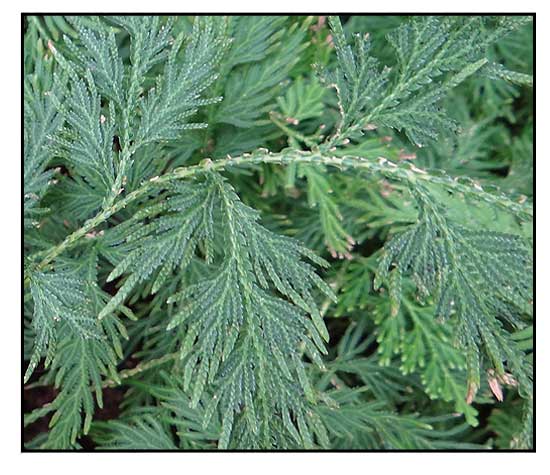
• Pakong-tulog is an evergreen, perennial fern with densely tufted stems, 4 to 15 centimeters long, branched nearly to the
base. Leaves of the lower plane are crowded, ovate, with a distinct
cusp, bright green, rigid, serrulate on both margins. Leaves
of the upper plane are nearly as long, ovate lanceolate, cuspidate.
Sporophylls are keeled.
• Flat, circular rosettes of branches on a pseudo-trunk. Main stem densely tufted, short and stout, with many equal sized branches, the basal part covered with roots. Lateral and median leaves only slightly different, in four rows, ovate, inequilateral, basally narrowed, marginate, ciliate, cuspidate, abaxially pale, the upper side dark green. Strobili terminal, tetragonous, those with microspores long, with megaspores very short; sporophylls monomorphic, ovate, ciliate, the apex acuminate. (PROSEA)
 Distribution Distribution
• Native to the Philippines.
•
Reported in Cagayan, Ilocos Norte, Bontoc, Zambales, Pampanga, Rizal, Batangas,
and Laguna, Quezon.
• Also native to China North-Central, China South-Central, China Southeast, Hainan, Japan, Jawa, Korea, Lesser Sunda Is., Manchuria, Myanmar, Nansei-shoto, Ogasawara-shoto, Philippines, Sulawesi, Taiwan, Thailand, Vietnam
• The whole plant may be collected throughout the year. Wash thoroughly,
cut off the roots and sun-dry. This may also be processed into charcoal
form by heating it with small glow until it turns black, sprinkle with
some clean water and re-dry under the sun. Rhizome or the trunk-like
portion of the main axis used for propagation. Preferably transplant
collected living plants.
Constituents
• Study yielded flavonoids as main compounds, including amentoflavone, hinokiflavone, sotetsuflavone and apogenin.
• Study isolated four compounds from the n-BuOH fraction of water extracts: 1-hydroxy-2-[2-hydroxy-3-methoxy-5-(1-hydroxyethyl)-phenyl]-3-(4-hydroxy-3,5-dimethoxy)-propane-1-O-beta-D-glucopyranoside (tamariscinoside B) (1), adenosine (2), guanosine (3) and arbutin (4). (8)
• Study isolated five compounds elucidated as: carnaubic acid, Selaginellin, 5,7,4',5'',7'',4'''-hexahydroxy-3',8''-Biflavone, β-D-fructofuranose-(2-1)-α-D-Glucopyr-anoside, α-D-mannopyranose-(1-1)-α-D-Mannopyranoside.
• Study isolated a new selaginellin named selaginellin O (1), along with three other known selaginellins (2-4). (see study below) (16)
• Study on amentoflavone content yielded 11.46 mg/g.
( 30)
• Study for cytotoxic constituents yielded three selaginellins and seven biflavones from the whole plant: selaginellin (1), selaginellin A (2), selaginellin B (3), amentoflavone (4), sequoiaflavone (5), bilobetin (6), ginkgetin (7), isoginkgetin (8), hinokiflavone (9), and isocryptomerin (10). (see study below) ( 31)
• Study isolated two new selaginellin derivatives, selaginellins K (1) and L (2) and characterized as 2-formyl-4,4'-dihydroxy-3-[(4-hydroxyphenyl)ethynyl]biphene and 4,4'-dihydroxy-2-methyl-3[(4-hydroxyphenyl)ethynyl]biphene.
( 41)
• Study isolated two new compounds, selaginellins I (1) and J (2) and characterized as (R,S)-4-((2'4'-dihydroxy-4-(hydroxymethyl)-3-((4-hydroxyphenyl)ethynyl)biphenyl-2-yl)(4-hydroxyphenyl)methylene) cyclohexa-2,5-dione (1) and (R,S)-4-((3-((3,4-dihydroxyphenyl)ethynyl)-4'-hydroxy-4-(hydroxymethyl)
biphenyl-2-yl)(4-hydroxyphenyl)methylene)cyclohexa-2-5-dione (2).
( 42)
• Study isolated a new diarylbenzophenone, selagibenzophenone C (1), along with 1,3-di-p-hydroxyphenyl-4-penten-1-one (2) and unciflavone E (3).
( 47)
• Study isolated two new unusual natural pigments from the whole herbs of Selaginella tamariscina, selaginellin A and B, along with four known biflavonoids, amentoflavone (3), hinokiflavone (4), heveaflavone (5) and 7"-O-methylamentoflavone (6). ( 48)
• Study isolated three new sterols, 3ß,16 α-dihydroxy-5 α,17ß-cholestan-21-carboxylic acid (1), 3ß-(3-hydroxybutyroxy)-16 α-hydroxy-5 α,17ß-cholestan-21-carboxylic acid (2) and 3ß-(3-hydroxybutyroxy)-16 α-hydroxy-5 α,17ß-cholestan-21-carboxylic acid (3). (see study below) ( 50)
- Proximate analysis of leaves showed carbohydrate, crude protein, crude fat, and crude ash content of 66.03%, 13.20%, 1.32%, and 12.24%, respectively, and total dietary fiber content of 31.25%. Total polyphenol and total flavonoid contents of hot-water extract (HWE) and 80% methanol extract (MST) were 43.25% and 67.32 mg/g and 12.33 and 16.80 mg/g, respectively.
(see study below) ( 60)
 Properties Properties
• When dry, the fronds, particularly the young one, contract or roll up like the claws of a bird or like a miniature Cypress tree. Yellowish-brown, when moistened they spread out again and become green.
• The plant never dies, hence the name Resurrection Fern, and considered life-prolonging.
• Considered astringent and hemostatic.
• Studies have suggested
tumoricidal, antimetastatic, antibacterial, antifungal, vasorelaxant, antioxidant, anti-fatigue, hypoglycemic, hepatoprotective, anti-osteoclastogenesis, anti-osteoclastic, anticandidal, anti-allergic, antidiabetic, antihyperlipidemic, estrogenic, insulin-mimetic, thyrosine-phosphatase inhibitory, phytoremediative, fatty acid-synthase inhibitory, anti-inflammatory, anticoagulant, wound healing, hemostatic, antimicrobial synergistic properties.
 Uses Uses
Edibility
- Edible: leaves; young shoots (cooked).
Folkloric
- Decoction use for the treatment of traumatic bleeding, hemoptysis, gastrointestinal bleeding,metrorrhagia, hematuria, persistent post-partum lochia, rectal prolapse and leucorrhea.
- Used for treatment of gout and hyperuricemia.
- Used to stop external bleed of any cause: powder or dress the wound with
granulated drug materials.
- Selaginella plus Thuja: For hematochezia due to a boil in the anal region
(patient cannot sit) or for an extra-menstrual bleeding uterus. Selaginella
preparation plus Thuja leaf preparation: Grind into powder, add warm
water. Drink the resulting infusion.
- In China, used for tracheitis and tumors; also, for amenorrhea and bowel hemorrhage. Also used for fever, detoxification and mobilization of blood circulation. (•) In Chinese traditional medicine, used to promote blood circulation, stimulate menstrual discharge, treat hemoptysis, abnormal uterine bleeding, hematochezia, and prolapse of the rectum. (38)
- In Vietnam, whole plant used for treatment of burns, hepatitis, jaundice, and as concoction for hemorrhoids and various respiratory diseases.
- In Germany, a "beauty tea" prepared from S. tamariscina is drunk for treatment of fragile and brittle finger nails.
(49)
- In Korea, used for treatment of menstrual pain, chronic hepatitis, hematuria, and uterine bleeding.
Studies
• Biflavonoids: Methanol extract significantly inhibited UV irradiation induced activity of MMP-1 in primary fibroblasts from human skin. Of the five biflavonoids isolated, sumaflavone and amentoflavone showed significant
MMP-1 inhibitory activity. (1)
• Anti-mutagenic
/ Tumoricidal: Called Keon in Korea, S
tamariscina is a traditional medicinal plant
for therapy of advanced cancer patients in the Orient. It is thought
to modify gene expression and cytokine production. It also lowers blood
sugar and lipid peroxide levels. The biflavones isolated from related
Selaginella species exert both tumoricidal effects against human tumor
cell lines and anti-mutagenic activity. There is ongoing study for its
chemopreventive effects in stomach cancers.
• Isocryptomerin / Anti-fungal: Study isolated isocryptomerin, a biflavoinoid, which exerted antifungal activity in an energy-independent manner without hemolytic effects.
The antifungal activity may be through
a membrane-disruption mechanism. (2)
• Amentoflavone / Anti-fungal: Study isolated amentoflavone from the ethyl acetate extract of the whole plant. It exhibited potent antifungal activity against several pathogenic fungal strains presenting a great potential to be a lead compound for the development of antifungal agents. (9)
• Antimetastatic: Study investigated the effects of S. tamariscina extracts on the invasion and motility of highly metastatic A549 cells and Lewis lung carcinoma (LLC) cells. Results showed STE treatment decreased (p<0.05) the expression of matrix metalloproteinase (MMP)-2, -0 and urokinase plasminogen activator (u-PA) in a dose-dependent manner in the A549 and LLC cell. Results demonstrated that Selaginella tamariscina extract could be a candidate antimetastatic agent against lung cancer. (3)
• Cell apoptosis: Cell apoptosis is important
in cellular homeostasis and anticarcinogenesis. Study suggests oxidative stress may be involved in the cytotoxicity of ST and that ST-induced
apoptosis of HL-60 cells is primarily mediated by the caspase activation
pathway. (4)
• Vasorelaxation: Study
yielded an active biflavonoid, amentoflavone and results suggest it relaxes smooth muscle via endothelium-dependent nitric oxide-cGMP signaling, with possible involvement of K and Ca channels. (5)
• Anti-gastric
cancer: Study results suggest that Selaginella tamariscina could be a candidate chemopreventive agent against gastric cancer. (6)
• Amentoflavone / Anti-Cancer: Amentoflavone and the extracts from S. tamariscina were screened against five cancer cells. Assays in vitro showed inhibition of the proliferation of HL-60 (human leukemia cells), MCF-7 (human breast cancer cells), HeLa (human cervical carcinoma cells), human hepatoma carcinoma cells, and PANC-1 (human pancreatic cancer cells).
• Candidiasis: S-Phase Accumulation
of Candida albicans by Anticandidal Effect of Amentoflavone Isolated
from Selaginella tamariscina: Study suggests amentoflavone
has a potential for treatment of candidiasis. (7)
• Chemical Constituents / Liganoside: Study isolated a new liganoside, tamariscinoside C, together with D-mannitol, tyrosine and shikimic acid.
• Inhibitory Effects on Immediate Allergic Reactions: Study of the ethanol extract of ST for anti-allergic effects. Results showed it could inhibit mouse systemic anaphylactic shock and dose-dependently block passive cutaneous anaphylaxis and skin reactions caused by exogenous histamine and serotonin. Activity may be mediated by reducing the release of vasoactive amines such as histamine from mass cells via stabilization of the cell membrane and weakening the inflammatory action of these amines. One of its active flavonoids may be useful as a potential remedy for allergic rhinitis and other allergy-related diseases. (10)
• Antibacterial / Streptomycin / Synergism with Cefotaxime: Study of the novel antibacterial isocryptomerin isolated from S. tamariscina against Gram-positive and Gram-negative bacterial strains including MRSA showed the isocryptomerin had considerable synergistic activity in combination with cefotaxime. (12)
• Hyoglycemic: Study in rats showed both EtOH and H2O extracts were able to ameliorate the fasting blood glucose and improved OGTT. Total cholesterol, LDL and fatty acids were also lowered. Compared with the water extract, the EtOH extract effects were more marked. (13)
• Anti-Fatigue: Study in mice of a polysaccharide from S. tamariscina showed an anti-fatigue effect with prolonged swimming time of loaded mice, decrease in BUN and blood lactic acid after swimming. (14)
• Selaginellins / Cytotoxic / Antioxidant: Study yielded a new selaginellin named selaginellin O, along with three other known selaginellins, 2-4. Selaginellins 1, 2, and 3 exhibited cytotoxic activity against cultured HeLa cells (human cervical carcinoma cells) as well as antioxidant activity. (16)
• Bone Disease Benefits / Anti-Osteoclastogenesis and Anti-Osteoclastic Activities: Study evaluated the inhibitory effect of S. tamariscina on osteoclast differentiation. Results showed a water extract to have beneficial effects on bone disease by inhibiting osteoclastogenesis and osteoclastic activity. (17)
• Hypolipidemic / Hepatoprotective / Amentoflavone: Amentoflavone isolated from S. tamariscina showed strong lipid lowering effect and favorable hepatoprotective effect in vivo. (19)
• Anti-Metastatic / Inhibition of MMP-9 in Human Nasopharyngeal Ca HONE-1 Cells: Study evaluated the anti-metastatic properties of ST extract in human nasopharyngeal carcinoma HONE-1 cells in vitro. The ST extract inhibited MMP-9 expression and HONE-1 cell metastasis. The inhibitory effects may involve the Src/FAK/ERK 1/2 pathway. Results suggest a potential of being an anti-metastatic agent against nasopharyngeal carcinoma (21)
• Attenuation of Metastasis / Oral Cancer: Study investigated the mechanism by which S. tamariscina inhibits the invasiveness of human oral squamous cell carcinoma (OSCC) HSC-3 cells. Results showed ST attenuated HSC-3 cell migration and invasion in a dose-dependent manner, at least, partially, through down-regulation of matrix metalloproteinases. Study suggests a potential as adjuvant therapeutic agent in the prevention of oral cancer. (22)
• Antidiabetic / Antioxidant / Antihyperlipidemic / Flavonoids: Study investigated the antidiabetic, antihyperlipidemic, and antioxidant activity of total flavonoids of ST in a mouse model of diabetes. Results showed an excellent effect in high blood glucose reduction, however, with no effect on normal blood glucose level. The antidiabetic effect may be explained by its antioxidant activity and antihyperlipidemic effect which could have elevated the insulin sensitivity of the liver. (24)
• Estrogenic Activity: Study evaluated the estrogenic activity of ten kinds of Selaginella tamariscina from ten different places of origin. Results showed S. tamariscina exerts estrogenic effect by activating gene transcription mediated by ERα. (25)
• Insulin-Mimetic Selaginellins: Study of methanol extract isolated three new selaginellins (2,4, and 5) together with two known selaginellin derivatives (1 and 3). All isolates showed strong glucose uptake stimulatory effects in 3T3-L1 adipocyte cells. They also showed inhibitory effects on PTP1B enzyme activity. Results suggest potential for these selaginellin derivatives as lead compounds for development of agents for T2DM. (26)
• Toxicity / Anticancer: Study evaluated the toxicity and antitumor effect of ethanol extract of S. tamariscina in a mice model. In a single-dose acute toxicity text, an oral administration of 10,000 mg/kg did not cause any lethality. The STE could not prevent tumor formation but provided strong inhibition of tumor growth. (27)
• Tyrosine Phosphatase 1B inhibitory Activity / Selaginellin / Antidiabetic: Study isolated six selaginelline derivatives (1-6), comprising four new compounds (selariscinas A-D). The compounds exhibited inhibitory effect on PTP1B enzyme activity with IC50 ranging from 5.5 ± 0.1 to 21.6 ± 1.5 µM. Compound 2 showed greatest potency with IC50 of 5.5±0.1 µM. Results suggest a potential of the lead molecules for the development of antidiabetic agents. (28)
• Phytoremediation / Formaldehyde: In a study of 86 species of plants representing five general classes (ferns, woody and herbaceous foliage plants, Korean native plants and herbs), Selaginella tamariscina was one of nine plants that showed the highest formaldehyde removal efficiency. Phytoremediation potential was assessed by exposing the plants to gaseous formaldehyde in airtight chambers. (29)
• Cytotoxicity / Anticancer: Selaginella tamariscina is considered the most powerful and useful plant Selaginella in the world, which can inhibit various cancer growths such as lung, leukemia, gastric and breast. It has shown antimetastatic activity in osteosarcoma. Ethyl acetate extracts of S. tamariscina showed significantly decreased viability of HeLa cells in a dose-dependent manner. (30)
• Cytotoxic Constituents Against Human Cancer Cell Lines: Study yielded three selaginellins and seven biflavones from whole plant of S. tamariscina. Compounds 1, 4, 7, 9, and 9 showed selective cytotoxic activity against tested human cell lines. (see constituents above) (31)
• Fatty Acid Synthase Inhibition by Amentoflavone / Anticancer: Date of evidence suggests that amentoflavone isolated from Selaginella tamariscina induced breast cancer apotheosis ad antiproliferation of human breast cancer cells through blockade of fatty acid synthesis. (32)
• Amentoflavone /Anti-Cancer Mechanisms / MCF-7 Breast Cancer Cells: Study investigated the anticancer mechanism(s) of amentoflavone in MCF-7 cells. Results showed amentoflavone induces apoptosis of MCF-7 breast cancer cells that is closely related to mitochondrial dysfunction. (33)
• Amentoflavone: Amentoflavone is a polyphenolic compound present in various plants like Ginkgo biloba, Chamaecyparis obtusa, Hypericum perforatum, and Xerophyta plicata. Amentoflavone has shown various molecular mechanisms i.e., phosphodiesterase inhibition, muscular strength, inhibition of PTP1B, acetylcholinesterase inhibition, weak vasodilation, and inhibition of fatty acid synthase. Studies have shown the compound to be a potent antimicrobial, antifungal, antiviral, antidepressant, anti-inflammatory, antioxidant, antiulcerogenic, antiangiogenic, radioprotective and cytotoxic. (34)
• Anti-Inflammatory / Antioxidant / HO-1 Induction: Study investigated the anti-inflammatory and antioxidant activities of ethanol extract of S. tamariscina against lipopolysaccharide ILPS)-induced inflammatory responses The STE dose-dependently inhibited the production of inflammatory mediators (NO and PGE2) and pro-inflammatory cytokines (IL-1ß and IL-6) in LPS-stimulated RAW 264.7 cells. The STE also showed good free radical scavenging activity and inhibited ROS generation by LPS. The mechanisms may involve the MAPK, NF-kB, and Nrf2/H)-1 signaling pathways. (35)
• Effect of Stir-Frying on Coagulation Activity: ST has been widely used for improving blood circulation. However, its processed product, S. tamariscina carbonisatus (STC), has opposite haemostatic activity. Study evaluated the activity of ST and STC on the coagulation system of rats. While ST with its amentoflavone content can shorten APTT and TT and decrease fibrinogen (FIB) content, STC with its increased dihydrocaffeic acid showed hemostatic activity by promoting platelet aggregation and reducing APTT and PT. Two active compounds, dihydrocaffeic acid and amentoflavone, may be partly responsible for the haemostatic and anticoagulant activity of STC and ST, respectively. (36)
• Amentoflavone / Effect on Malignant Glioma: Malignant glioma is the most common type of brain tumor with poor clinical outcome and survival. Study investigated the role of amentoflavone (AF), an active flavonoid component of S. tamariscina in glioma cells. Results showed significant down-regulation of miR-124-3p expression in glioma tissues relative to normal brain tissue. AF decreased cell viability and triggered apoptosis in both glioma cell lines in a dose-dependent manner. AF could induce apoptosis and inhibited glycolysis in glioma cells via miR-124-3p. Results proved preliminary experimental data for further investigation. (37)
• KR1B10-Inhibitory / Amentoflavone / A549 Human Lung Cancer Cells: Study evaluated the inhibitory activity of S. tamariscina extract and its major compound, amentoflavone, on human aldo-keto reductase family 1B10 (AKR1B10), a detoxification enzyme, and evaluated the anticancer effects and potential as adjuvant for doxorubicin cancer chemotherapy. Results showed STE and amentoflavone potently inhibited human AKA1B10 and synergistically increased the doxorubicin anti-profliferative effect in A549 and NCI-H460 human lung cancer cells. (39)
• Potential as Functional Food / Antimicrobial / Nutritional and Biochemical Analysis / Powder: Study reports on the nutritional components of S. tamariscina. Iron nutrient content was 0.94 ± 0.06 mg/100 g powder; selenium was present in small amount, which showed strong antioxidant power. Total phenolic content was 8.65-11.61 mg GAE/g. Antioxidant activity was shown in ABTS and DPPH radical scavenging assays. Ferric reducing power was higher in the ethanol extract. Also, the EA exhibited antimicrobial activity against Bacillus subtilis KCTC 2189. Level of HDL cholesterol was significantly higher in the HF20% + S. tamariscina 20% group. Study suggests the plant possesses antimicrobial, antioxidant, and anticytotoxic activities and has potential as functional food. (43)
• Antioxidant / Anti-Inflammatory / Wound Healing / Leaves: Study evaluated the antioxidant, anti-inflammatory, and wound healing activities of hot-water extract (STW) and 80% ethanol extract (STE). Polyphenol content of STW and STE were 38.108 mg/g and 17.927 mg/g, respectively. DPPH and ABTS radical scavenging activities showed IC50s of the STQW were over 2 times lower than STE. In MTT assay, RAW264.7 cell viability of the two extracts decreased by about 6% at 1 mg/mL. HaCaT cell viability increased by 18% at 50 µg/mL. Both suppressed production of NO, TNF-α, COX-2 and PGE2 in LPS-induced RAW264.7 cells. The STE showed wound healing via promotion of skin cell migration in TNF-α stimulated human keratinocytes. Results indicate potential as new cosmetic ingredients in skin care. (44)
• Haemostatic Nanoparticles / Carbonisata: High-temperature carbonisation is used to prepare many traditional Chinese medicine charcoal drugs. Study reports on the synthesis of nanoparticles from Selaginella pulvinate Carbonisata (STC) for the first time. The STC-NPs displayed low toxicity against mouse monocyte macrophage RAW 264.7 cells by CCK-8 assay. STC-NP treatment significantly shortened bleeding time in rat and mouse models. Coagulation assays showed the haemostatic effects of STC-NPs were related to improvement of fibrinogen and platelet contents, along with decreasing of prothrombin time that resulted from stimulation of extrinsic blood coagulation and activation of the fibrinogen system. The novel evaluation supports the material basis of STC us in traditional Chinese medicine. (45)
• Antimetastatic on Human Osteosarcoma Cells: Study evaluated the effect of S. tamariscina on metastasis of osteosarcoma. S. tamariscina at range of concentrations (from 0-50 µg/mL), concentration-dependently inhibited the migration/invasion capacities of three osteosarcoma cell lines without cytotoxic effects. ST inhibited the matrix metalloproteinase (MMP)-2 and MMP-9 enzyme activity as well as protein expression. Western blot analysis showed inhibition of phosphorylation of p38 and Akt. Results suggest ST possesses antimetastatic activity in osteosarcoma cells and has great potential for development as a preventive agent for osteosarcoma metastasis. (46)
• Potential Role in Prevention of Modern Chronic Diseases / Review: Review discussed the evidence-based ethnomedicinal and ethnopharmacological uses, phytochemicals and bioactive potential of Selaginella species and its potential role in the prevention of modern chronic diseases. (49)
• Antiproliferative Activity in Leukemia Cells / Sterols: Study isolated three new sterols, 3ß,16α-dihydroxy-5α,17ß-cholestan-21-carboxylic acid (1), 3ß-(3-hydroxybutyroxy)-16α-hydroxy-5α,17ß-cholestan-21-carboxylic acid (2) and 3ß-(3-hydroxybutyroxy)-16α-hydroxy-5α,17ß-cholestan-21-carboxylic acid (3). The compounds were evaluated for growth inhibitory effects and differentiation induction abilities in human leukemia HL-60 cells. Compound 1 was more effective than 2 and 3 in inhibiting cell growth, but compound 3 was more effective in enhancing induction of all-trans-retinoic acid differentiation. (50)
• Amentoflavone / Inhibition of TGF-ß-Induced Metastasis of Human Cancer Cells: Epithelial mesenchymal transition (EMT) is an important step in metastasis and can be a key target in cancer treatment. Study evaluated the EMT inhibitory effects of S. tamariscina and its active component, amentoflavone (AF). Results showed aqueous extracts of STE and AF inhibited EMT in human cancer cells. At non toxic levels, they exerted remarkable inhibitory effects on migration (wound healing assay) and invasion (Tanswell assay) in TNF-ß-treated cancer cells. Results suggest STE and AF are promising EMT inhibitors and have potential as antitumor agents. (51)
• New Triarylindanone and Isobenzofuranone / Cytotoxicity: Study isolated a new triarylindanone, selagindanone A (1), and a new isobenzofuranone (2). Compound 2 showed weak cytotoxicity against human hepatocellular carcinoma SMMC-7721 and HepG2 cell lines. (52)
• Natural Phosphodiesterase-4 Inhibitors: Recent studies have reported some selaginellin analogues have potent phosphodiesterase-2 (PDE4) inhibitory activity. Study isolated two unusual selaginellin analogues, selariscin A (1) and B (2), along with eight new diarylfluorene derivatives, selaginpulvilins
M-T (3-10), and five known analogues, 11-15. Compounds 1 and 3-10 showed PDE4 inhibitory activity with IC50s range of 2.8-33.8 µM. (53)
• Cytotoxicity: Study isolated two new anthraquinone derivatives, Selaginones A and B (1 and 2), and one new triarylbenzophenone analog, selagibenzophenone B (3). Compound 3 showed moderate activity against SMCC-7721 and MHCC97-H cell lines with IC50s of 39.8 and 51.5 µM respectively. (54)
• Hypoglycemic Flavonoids / Involvenflavones: Study isolated six flavonoids: three undescribed biflavonoids, one undescribed 8-aryl flavonoid, and two known compou8nds. The compounds were evaluated for hypoglycemic activity in HepG2 cells. Involvenflavone H, I, and J significantly increased glucose consumption in both normal and i9nsulin-resistant HepG2 cells. The three compounds can effectively upregulate the protein expression of glucokinase (GCK) and adenylate cyclases (ADCYs). Results suggest the involvenflavone, especially J, may have potent hypoglycemic activity, which provide promising molecular targets for treatment of diabetes. (55)
• Inhibition of Enterovirus Replication / Polysaccharides: Study evaluated the inhibitory effect of polysaccharides from S. tamariscina on Enterovirus 71 (EV71) replication in vitro. Cellular model was established by infecting RD cells with EV71. The CC50 of 30% and 50% alcohol precipitated polysaccharides on RD cells were 396 and 142 mg/L respectively. Additionally, two polysaccharides significantly reduced viral RNA copies in EV71-infected RD cells. Results showed Selaginella tamariscina together with its 30% and 50% alcohol precipitated polysaccharides can be developed as potential new anti-EV71 drugs. (56)
• Antimicrobial Synergism Against Oral Bacteria: Study evaluated the synergistic antibacterial activity of Selaginella tamariscina extract (STE) with existing antimicrobial agents (ampicillin and gentamicin) against oral pathogen, using 50% ethanol extract of STE, alone or with antibiotics, via broth microdilution and time-kill method. STE in combination with ampicillin showed strong synergistic effect against oral bacteria. Results showed crude ethanol extract exhibited a wide range of pharmacological effects against novel cariogenic bacteria and periodontal pathogens, particularly bacteroides species, and may be useful in the treatment of oral bacterial biofilm. (58)
• Selaginellins Synergism Against Oral Bacteria: Selaginellins have been identified in this medicinal plant, known to possess anticancer, antidiabetic, and neuroprotective activity. Its modulatory potential of cytochrome P450 and uridine 5'-diphosphoglucuronosyltransferase (UGT) has not been studied. Study evaluated the drug interaction potential of two selaginellins on ten P450 isoforms (CYP1A2, 2A6, 2B6, 2C8, 2C9, 2C19, 2D6, 2E1, 2J2 and 3A) and six UGT isoforms (UGT1A1, 1A3, 1A4, 1A6, 1A9 and 2B7) using human liver microsomes and LCTM spectrometry. Results showed selaginellin and selaginellin M had high inhibitory potential for CYP2C8-mediated amodiaquine O-demethylation with IC50s of 0.5 and 0.9 µM, respectively. They also showed medium inhibitory potential against CYP2C9, CYP2J2, UGT1A1, and UGT1A3 (1 μM < IC50 < 5 μM), and low inhibitory potential against CYP1A2, CYP2A6, CYP2E1, and UGT1A6 (IC50 > 25 μM). Study provides helpful information to predict possible drug interaction potential against selaginellins and co-adminstered drugs. (59)
• Antioxidant / Potential as Food Additive / Whitening Effect / Leaves: Study evaluated the potential of S. tamariscina leaf hot-water extract (WST) and 80% methanol extract (MST) as natural health food source by measures of proximate and antioxidative nutrients. Whitening effect base on tyrosinase inhibitory activity was 95.0% at 500 µg/mL in 80% MST. Both WST and MST demonstrated significant antimicrobial activity. Results suggest potential for leaf extracts as potent antioidant and antimicrobial agents and as new functional food additive materials. (see constituents above) (60)
• Anti-Inflammatory / Amentoflavone: Bioactivity-guided study characterized bioactive constituents. The ethyl acetate fraction significantly reduced LPS-induced nitric oxide production in RAW264.7 macrophages at 100 µg/mL. UPLC-QTOF/MS analysis identified seven biflavonoids: amentoflavone (1), 2,3‐dihydroamentoflavone (2), robustaflavone (3), 7″‐methoxyrobustaflavone (4), hinokiflavone (5), isocryptomerin (6), and neocryptomerin (7). Among them, five exhibit3d strong inhibitory activity against both COX-1 and COX-2. Amentoflavone showed the most potent inhbition with IC50s of 2.35 µM for COX-1 and 5.14 µM for COX-2. Results provide insights into chemical basis, anti-inflammatory activity, and quality evaluation of S. tamariscina. (61)
• Neuroprotective on Glutamate Neuronal Damage: Glutamate-induced neural toxicity in autophagic neuron death is partially mediated by increased oxidative stress. Reducing oxidative stress in the brain is critical for treatment or prevention of neurodegenerative diseases. Study evaluated the inhibitory effects of S. tamariscina ethanol extract (STE) on neurotoxicity and autophagic cell death in glutamate-exposed HT22 mouse hippocampal cells. STE significantly increased cell viability and mitochondrial membrane potential and decreased expression of reactive oxygen species, LDH, and cell apoptosis in glutamate-exposed HT22 cells. STE strongly inhibited glutamate-induced autophagy by activating P13K/Akt/mTOR signaling pathway. Results suggest the autophagy inhibition by activating P13K/Akt/mTOR phosphory-
lation levels could be responsible for th4e neuroprotective effects of STE on glutamate neuronal damage. (62)
• Isocryptomerin / Antifungal: Research reports on Isocryptomerin, a membrane-active antifungal compound that can be isolated from Selaginella tamariscina. Isocryptomerin can depolarize fungal plasma membrane. Isocryptomerin also shows anticancer and antibacterial activities. (63) Study evaluated the novel antifungal properties of Isocryptomerin, a biflavonoid isolated from ST. Results showed isocryptomerin exerted antifungal activity in an energy-independent manner without remarkable hemolytic effects. Experiments on Candida albicans indicated isocryptomerin could depolarize fungal plasma membrane via membrane disruption mechanims. (65)
• Selaginellin Derivatives / Anti-Breast Cancer Activity: Phytochemical study isolated 17 selaginellin derivatives and screened for inhibitory activities against breast cancer cells. Dimeric selaginellin 17 showed potential activity against MDA-MB-231 cells with IC50 of 3.2 µM, corresponding to a 4-fold higher potency than reference compound 5FY (IC50 14.8 µM). Mechanistic studies indicated compound 17 could cause G2/M phase arrest in MDA-MB-231 cells and induce apoptosis accompanied by increased ROS levels. (66)
• Amelioration of Diabetes-Induced Acute Lung Injury via Nrf2/HO-1 Activation / Total Flavonoids: Study in mice evaluated the mechanism by which total flavonoids of S. tamariscina mitigate oxidative stress through activation of the heme oxygenase-1 (HO-1) signaling pathway mediated by nuclear factor erythroid 2-related factor 2 (Nrf2). Results demonstrate TFST can suppress oxidative stress by modulating the Nrf2 pathway and up-regulating HO-1 activity, thereby ameliorating diabetes induced acute lung injury. (67)
Availability
- Wild-crafted.
- Extracts, powders in the cybermarket.
|