Gen info Gen info
- Schisandraceae is a family of flowering plants with 3 known genera and a total of 92 known species. The family has been recognized by most taxonomists for several decades. Prior to that, the plants were assigned to family Magnoliaceae and Illiciaceae. (25)
-
There is confusing use of anis or anise as common names. Chinese star anise, Sanque, Illicium verum is considered the true anise. Some plants that give the taste and aroma of anise have adopted anise into their common or scientific names: (1) Sanke, sanki, Japanese star anise, Illicium anisatum, (2) Haras, anis, fennel, Foeniculum vulgare, and (3) Kayumanis, Clausena sanki.
- Star anise (Illicium verum) is native to China where it has been in use for the past 3000 years as food flavor additive and herbal medicine.
- Illicium verum is one of the most important plants of the genus Anise.
- It is the major source of shikimic acid, a primary ingredient in the antiflu drug, oseltamivir (Tamiflu} an antiviral medication for influenza A and B.
- Historical snippet: Its use as spice can be traced back to the Song Dynasty (AD 960-AD 1279) and as medicine to the Ming Dynasty (AD 1368-AD 1644). (24)
- It is one of the first traditional Chinese medicine listed by the Ministry of Health of the People's Republic of China in 2002 for dual use in medicines and foodstuffs. (24)
- Vietnam produces more than 5000 t of star anise seeds per annum. The estimated combined production of China and and Vietnam is more than 25,000 t per annum. (6)
- In Europe, Chinese star anise is believed to have have originated from the Philippines, when in 1578 the navigator Thomas Cavendish brought the first fruits, originating from southern China
, via the Philippines to Europe.
- Etymology: The genus name Illicium derives from Latin illicere meaning "allure", alluding to attractive fragrance emitted by the branches and leaves. (24) Alternatively, Illicium derives from Latin illicio meaning "entice" or "seduce". Specific epithet verum means "true" or "genuine".
Botany
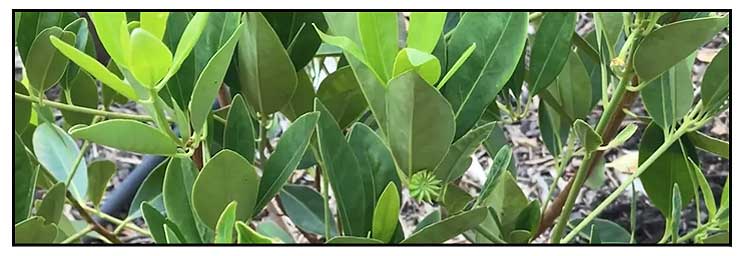
- Illicium verum is an aromatic medium-sized evergreen tree, growing up to 20 meters tall, with a round and straight trunk and green and glabrous branchlets. Bark is white to bright gray. Leaves are 6 to 12 centimeters long, alternate, simple, leathery, entire, shiny, glabrous, usually crowded in bundles at the end of branches. Flowers are large, bisexual, 1 to 1.5 centimeters in diameter, white, pink to red, or greenish yellow, axillary and solitary. Fruit is a capsule, aggregate is star-shaped, radiating f5 to 10 pointed boat-shaped sections, tough-skinned and rust-colored, up to 3 centimeters long, each arm containing a seed pod. Seeds are shiny brown or reddish. (5).
• Illicium verum is a 10–15 m tall arbor plant. Leaves are either alternate or in 3–6 clusters of branches in a whirl at the top and are leathery or thick leathery, obovate-elliptical, oblique lance-shaped or oval, measuring approximately 50–150 mm long and 1–1.5 mm wide. Apex is short and acuminated or slightly obtuse-rounded, the upper midrib is slightly depressed or flat when fresh and the base is cuneate, with 4–6 pairs of lateral veins and 8–20 mm petioles. Flowers are pink to crimson, solitary in leaf axils or subterminal with a 15–40 mm long pedicel. Tepals number 7–12 and often exhibit inconspicuous translucent glandular dots. Largest tepal is broadly elliptical to broadly ovoid, 9–12 mm long and 8–12 mm wide. Aggregated fruits tend to spread and are 35–40 mm in diameter, whereas the fruit stalks are 20–56 mm long. Seed pods number 7–8 and are 14–20 mm long with an apical rostrum and are obtusely rounded without apices. The seeds are brown and are 7–10 mm long. (24)
• Confusing similarities: Distinguishing between Illicium verum (Chinese star anise), which is safe, and Illicium anisatum (Japanese star anise), which is toxic, is difficult, due to nearly identifcal morphological appearance, especially when dried, broken, or in powder form. Anatomical similarities can vary within the same bunch, making simple visual inspection unreliable. Both species are star-shaped, brown, with similar aromatic characteristics. when powdered, the differences are masked, requiring chemical analysis to detect the adulterant.
• Illicum anisatum have smaller fruits that do not form a regular star due to abortion of some carpels. Also, fruit follicles are not swollen in the middle and have a more pointed apex. There are usually more than 8 follicles and the fruit having a weaker color. Seeds in I. anisatum are flat or almost spherical. (10)
 Distribution Distribution
-
Probably originated from south eastern China and northern Indo-China (Laos, Vietnam).
- Cultivated in China, Laos, Vietnam, Korea, Japan, Taiwan, Hainan, and the Philippines.
- Semi-wild occurrence from abandoned plantations.
Constituents
- Currently, 201 chemical constituents have been identified from star anise, including hydrocarbons, alcohols and esters, natural products like star anise oil, flavonoids, phenylpropanoids, organic acid phenols, terpenoids, and others. Star anise oil and shikimic acid are the 2 most widely used and studied chemical components in star anise, with the oil accounting for a large proportion of the total. (24)
-
Fruit yields a bitter principle, tannins, and essential oil (9-10%), consisting of anethole (85-90%), α-pinene, limone, ß-phellandrene, α-terpineol, farnesol, and safrol. (5)
- Phytoconstituent studies of fruits have yielded trans-anethole, cis-anethole, α-pinene, α-phellandrene, limonene, cymene, linalool, terpinen-4-ol, α-terpineole, shikimic acid, estragole, anisylacetone, p-anisaldehyde, ß-caryophyllene, foeniculin, linoleic acid, palmitic acid, and 1-(4'-methoxy-phenyl-1,2,3-trihydroxypropane(R)-sec-butyl-β-D glucopyranoside. (5)
- GC-MS study of volatile oil extracted from Illicium verum by steam distillation yielded 41 compounds which included 14 hydrocarbon components and 22 oxygenated hydrocarbon derivatives, and a small amount of nitrogenous compounds. The main components anethole, accounting for 76.23%, along with anisyl acetone, anisaldehyde, p-alylanisole, p-cumic aldehyde and p-allylpen which take up more than 10%.
(14)
- GC and GC-MS analysis of fruit essential oil identified 22 compounds, with trans-anethol (89.5%), 2-(1-cyclopentenyl)-furan (0.9%) and cis-anethole (0.7%) as main components.
(see study below)
(17)
- GC-MS profiling via hydrodistillation of aerial parts identified 24 components representing 92.55% of analyzed EO. Main constituents were (E)-anethole (83.68%), limonene (3.19%), and α-pinene (0.71%). (see study below) (28)
- RP-HPLC analysis of SA tea revealed major (>5 mg) phenolic acids were p-coumaric acid, gallic acid, cinamic acid, chlorogenic acid, and ferulic acids; major flavonoids were catechin and rutin. (see study below) (31)
Properties
-
Considered antiviral, antioxidant, antimicrobial, antifungal, anthelmintic, insecticidal, secretolytic, antinociceptive, anti-inflammatory, gastroprotective, expectorant, spasmolytic, estrogenic and sedative.
- Fruits considered aromatic, carminative, eupeptic, digestive, stomachic, stimulant, diuretic, expectorant, deodorant.
- In Chinese traditional medicine, it has many functions: warming Yang, dispersing cold, regulating Qi, and relieving pain, besides its used as condiment to increase flavor and remove fish smells.
- Studies have suggested antioxidant, antiviral, antibacterial, antifungal, insecticidal, antiulcer, neurotoxic, quorum sensing and biofilm inhibitory, CNS depressant, antidiabetic, anti-obesity. hypolipidemic, anxiolytic properties.
 Caution Caution
- Toxicity concerns: Although it contains neurotoxic sesquiterpenes viz., veranisatin A, B. and C, Illicium verum is considered safe due to low veranisatin content,. However, it may cause neurotoxicity above maximum recommended dose (one star per 200 cc of water) or when boiled for long periods which result in higher concentrations. (See study below) (11)
-
Adulteration: Illicium verum is sometimes contaminated with highly toxic Japanese star anise (L. anisatum L.) and poisonous star anise (I. lanceolatum A.C.Smith), which contain several neurotoxic sesquiterpenes. (3)
- Japanese star anise looks very similar to Chinese star anise in the dried form. Its fruits contain the neurotoxic anisatin, a strong competitive antagonist of the GABAa-receptor.
The fruit is most toxic, followed by the seed, root, leaf, and bark.
- Besides anisatin, the seeds contain shikimin and shikimotoxin, which are highly toxic and can cause inflammation in the kidneys, urinary tract, and gastrointestinal tract.
- Avoid use of tea in children and during pregnancy.
- US FDA Warning: In 2003, the US FDA warned against consumption of teas brewed from star anise due to reports of serious side effects. Some star anise tea products were contaminated with Japanese anise (Illicium anisatum), a known poison.
Parts used
- Fruits, seeds, oil.
- In TCM, medicinal parts include roots, rhizomes, stems, leaves, flowers, fruits, seeds, skins, and whole herbs. (24)
Uses
Edibility / Culinary
- A popular culinary spice: Dried ripe, star anise fruit and seed are used as important spice in Asian cooking, especially Vietnamese, Chinese, and Indian cuisine. (6)
- Oil from steam distillation is used as substitute for European aniseed in commercial drinks. (5)
- Chinese star anise is one of the flavors in "China five spices." It is stronger than aniseed and is frequently used in meat and Chinese cooking, in baked goods, confections, and liquors. (5)
- A common flavoring for medicinal tea, cough mixtures, lozenges, and pastilles.
(5)
- Used in the French recipe for mulled wine, vin chaud (not wine).
Folkloric
- Long used in Chinese traditional medicine (TCM) for dispelling cold, regulating the flow of Qi, and relieving pain. (3)
- Fruits used to relieve bloating and indigestion.
- Used to facilitate birth, increase libido, and relieve menopausal discomforts. Oil use in rheumatism. Used to increase production of milk in mothers. (5)
- Dried fruit used as remedy for infant colic. (see toxicity studies below)
- The two raw materials obtained from Chinese star anise - the fruit and essential oil - are used worldwide as medicines and have been listed in the European Pharmacopoeia since 2002. Star anise is used for digestive disorders, colic, back pain, rheumatism, vomiting, insomnia, and colds.
- In Morocco, fruits used for treatment of diabetes.
Others
- Insecticidal: Effective against Japanese termites and adult German cockroaches.
- Oil: Star anise oil is a highly fragrant oil used in cooking, perfumery, soaps, toothpastes, mouthwashes, and skin creams.
Studies
• Star Anise as Antiflu / Shikimic Acid / Tamiflu: Swine influenza is an infection caused by any of several types of swine influenza viruses. Shikimic acid is required for the synthesis of the potent antiflu drug tamiflu. The acid is extracted from the peels of star anise, involving a 10-step process of a complex chemical reaction. For 0.5g of Chinese star anise raw material that contains 8% shikimic acid, 100% recoveries of shikimic acid could be obtained with 60 g water at 150ºC at 15 MPa in 4 min. (5) About 90% of world's star anise crop is used for extraction of shikimic acid for use in the synthesis of oseltamivir (Tamiflu). (10)
• Insecticidal / Essential Oil: The essential oil of Illicium verum showed potent insecticidal activity against wheat flour beetle larvae and adult Tribolium castaneum. Median lethal concentration (LC50) was 18.4 µl against larvae and 19.8 µl against adult. LC50that reduced transformation of larvae pupa to half was1.1.97 µl. (5)
• Inhibitory Effects Against Avian Viruses: Study evaluated the inhibitory effects of Illicium verum extracts (absolute methanol, 50% methanol, and aqueous extract [WA]) against reovirus, infectious bursal disease virus (IBDV), Newcastle disease virus (NDV) and infectious laryngotracheitis virus (ILTV). The three extracts showed antiviral inhibitory activity against all tested viruses during simultaneous inoculation and preinoculation except 100MOH and 50MOH that showed no effect against IBDV. On postinoculation, the extracts showed inhibitory effects against NDV and avian reovirus. Only the 100MOH showed inhibitory effect against ILTV. Results suggest Illicium verum has potential as a natural alternative source for antiviral agents. (7)
• Antibacterial / Antifungal: Study evaluated the in vitro antibacterial and fungicidal activities of three crude extracts of Illicium verum against two gram positive bacteria (S. aureus and Listeria monocyto-genes), two gram-negative bacterial (E. coli and Salmonella arizona), and two fungi (Aspergillus fumigatus and A. niger). Results showed antibacterial activity against all tested bacteria and antifungal activity against A. fumigatus. Results suggest a promising natural antimicrobial. (8)
• Anti-Gastric Ulcer / Antioxidant: Study evaluated plant essential oil and extracts as anti-ulcerogeic agent in a rat model. LD50 was 2500 mg/kbw for aqueous alcoholic extract and 1250 mg/kbw for petroleum ether extract. In an in-vitro study, the aqueous alcoholic extract exhibited the highest antioxidant activity; the PE extract, the lowest. It enhanced production of reduced glutathione and induced glutathione reductase activity, SOD activity and catalase activity in gastric mucosa, with marked reduction in lipid peroxides production in two ulcerogenic models i.e., necrotizing agents and indomethacin. (9)
• Report on Star Anise Poisoning: Illicium verum has been used as a carminative, especially for treating baby colic. This letter concerns continued cases of poisoning with neurological and gastrointestinal manifestations, especially in infants younger than 3 months. This on a 2-month old patient presenting with lower limb jitteriness and startle movements during sleep, with disturbed sleep. Physical and neurologic exam were normal, along with baseline laboratories. On further questioning, the mother reported giving the patient star anise tea for a week, prepared as decoction of 1-2 stars in 400-500 cc of water. Although it contains neurotoxic sesquiterpenes viz., veranisatin A, B. and C, Illicium verum is considered safe due to low veranisatin content,. However, it may cause neurotoxicity above maximum recommended dose (one star per 200 cc of water) or when boiled for long periods which result in higher concentrations. The report briefly reviews the various types of anise plants and their toxicities. It advises pediatricians in the need for recognition and education concerning the adverse effects of anise and other natural products. (11)
• Extraction of Flavonoids from Illicium verum Residues: The fruit has been the industrial source of shikimic acid. The residues after extraction of shikimic acid are treated as waste. Study reports on the optimized extraction of flavonoids from residues by cellulase-ultrasonic assisted extraction technology. Data suggest potential for the industrial production of flavonoids from I. verum fruit residues. (12)
• Antioxidant: Study evaluated the antioxidant properties of ethanol extracts and various fractions of Illicium verum using DPPH radical scavenging assay, total antioxidant capacity, and reducing power assay. The ethyl acetate fraction showed substantially higher total phenolics (4.5 g gallic acid/100 g dw) and total flavonoids (6.9 g quercetin/100 g dw) compared to other extracts, and possessed significant antioxidant activities. Results suggest a potential natural source of antioxidants. (13)
• Antibacterial Against Antibiotic-Resistant Pathogens: Study identified four new antimicrobial compounds from I. verum and assessed their antibacterial efficacies. Supercritical CO2 and ethanol extracts showed substantial antibacterial activity against 67 clinical drug resistant isolates, including 27 Acinetobacter baumannii, 20 Pseudomonas aeruginosa, and 20-methicillin-resistant S. aureus. A diethyl ether (EE) fraction and supercritical CO2 extracts showed antibacterial activity with MIC of 0.15-0.70 mg/mL and and 0.1 mg/mL, respectively. The EE fraction showed synergistic effects with some commercial antibiotics. (15)
• Fruit Oil Shampoo for Pediculosis capitis / Compared to Permethrin / Clinical Trial: A randomized controlled trial evaluated the safety and efficacy Of I. verum fruit oil extract shampoo compared to permethrin 1% in the treatment f pediculosis capitis among Filipino children and adults. Results showed the I. verum fruit oil extract was as effective and safe as permethrin 1% in treating pediculosis capitis in the sample population. (16)
• Antifungal / trans-Anethole / Essential Oil of Fruit: Study investigated the essential oil of star anise (Illicium verum) fruit for antifungal activity on plant pathogenic fungi. Both essential oil and the main component trans-anethole showed strong inhibitory effect against all test fungi. Results were attributed to the presence of trans-anethole in the oil, which could be developed as natural fungicide for plant disease control in fruit and vegetable preservation. (see constituents above) (17)
• Neurotoxicity in Infants / Star Anise Tea: Many populations use Chinese star anise as treatment for infant colic. Study reports 7 cases f adverse neurologic reactions in infants seen with home administration of star anise tea. It also reports on contamination of Chinese star anise with Japanese star anise. Study suggests the use of star anise should be avoided in the pediatric population, and suggests stricter federal regulations given the neurotoxic effects of adulterated products. (see study above 11) (18)
• Quorum Sensing and Biofilm Formation Inhibitor on Foodborne Bacteria: Bacteria use quorum sensing (QS) systems to communicate with each other and regular microbial group behavior, such as secretion of virulence factors and biofilm formation. Study evaluated the potential of SA as an anti-QS and antibiofilm agent and its possible application in milk safety. In the endeavor to avoid drug resistance, pathogenesis, and resistance to biocides while improving food safety and avoiding healthy hazard from synthetic chemicals, the star anise extract has potential for use as QS and biofilm inhibitor. (19)
• CNS Depressant / Anxiolytic: Study evaluated the acute toxicity of fruit extracts and its effect on the central nervous system in male albino mice and rats. Acute toxicity study by OECD guidelines showed 2000 mg/kg as toxicological dose and 1/10 of the same dose as therapeutic dose. Intraperitoneal injection of all extracts at dose of 200 mg prolonged phenobarbitone induced sleeping time, produced alteration in general behavior pattern, reduced locomotor activity and caused anxiolytic effects. A methanol extract produced more prominent effects than hexane and EA extracts. Results suggested potent CNS depressant action and anxiolytic effect without interfering with coordination. (20)
• Effect on Coagulation Parameters: Study evaluated the effect of Illicium verum methanol extraction various coagulation parameters such as prothrombin time (PT), aPTT, and thrombin time (TT) in a rabbit model. Comparison was done with standard anticoagulant drug, Warfarin. Results showed elevation of PT, PTT, and TT. Highly significant increases were seen in PT and PTT at dose of 350 mg/kg. The significant anticoagulant effects is important in hypercoagulable conditions and cardiovascular diseases. Identification of active ingredients are needed to further validate the results. (21)
• Protocatecheuic Acid / Antioxidant / Fruit: Study evaluated the antioxidant potential of I. verum extracts, fractions, and pure compounds. In DPPH assay, a methanolic extract showed antioxidant activity with IC50 of 61 mg/ml. An EA fraction showed potent activity with IC50 of 18 mg/ml. A purified fraction 13 showed to be most potent with IC50 7mg/ml, which led to isolation of 3,4-dihydroxy benzoic acid (protocatechuic acid), an active principle. The protocatechuic acid most probably underlies the plants antioxidant activity. (22)
• Shikimic Acid in Cosmetics: In the cosmetic realm, it is the primiary source of shikimic acid, a compound that boasts a spectrum of benefits: exfoliating, deodorizing, anti-acne, anti-dandruff, whitening, and moisturizing. along with regulating the amount of sebum, and to boot, antimicrobial, anti-inflammatory, hair-growth stimulating, and anti-aging effects. (26)
• Trans-anethole / Cosmetic Applications: Study reviewed the progress of phytochemical and pharmacological studies focused on cosmetic applications of fruit extracts and EO, and the current consensus on safety of trans-anethole, the main compound of the EO used in consmetology, such as perfume production and anti-aging cosmetics. Its anti-obesity properties make for a potential natural dietary supplement. (27)
• Antibacterial / Antibiofilm and Anti-Quorum Sensing Activities / Essential Oil: Study evaluated the chemical composition, antibacterial, antibiofilm, and anti-quorum sensing activities of essential oil of I. verum aerial parts. The EO was effective in varying degrees against 8 bacterial strains. Trans-anethole was more effective against biofilm formation than the EO when tested using sub-inhibitory concentrations. The EO showed more potent inhibitory effects on the swarming behavior of P. aeruginosa PAO1 compared to anethole. In silico study using molecular docking approach showed high binding score between identified compounds with known target enzymes involved in antibacterial and anti-quorum sensing (QS) activities. Results suggest the I. verum EO has antimicrobial potential for prevention of food contamination by foodborne pathogenic bacteria. (28)
• Antidiabetic / Fruits: Study evaluated the antidiabetic potential of aqueous extract of Illicium verum fruits (AEIVF) in rats. AEIVF dose of 20 mg/kg was used to evaluated effects on glycemia, lipid profile, and antioxidant properties. Results showed antioxidant activity and lowering of glycemia in diabetic rats after 7 days. On toxicity study of the AEIVF, LD50 was greater than 2 g/kg dose. (30)
• Anti-obesity / Antioxidant / Hypolipidemic / Polyphenol-Rich Tea: Study evaluated the potential of polyphenol-rich star anise tea (SAT) on oxidative stress, obesity, and related biochemical parameters in high-fat-sugar-diet (HFSD)-induced obesity model in rats. SAT exhibited 51.3% DPPH radical sca- venging activity. In vivo, higher doses of SAR (500 mg/kbw) significantly reduced body weight increase (74.82%) and BMA (0.64 g/cm2). There were also significant reductions in lipid levels: total cholesterol, triglyceride, LDL, and VLDL. SAT reduced alterations in MDA, SOD, and GSH levels showing potential against oxidative stress. Results showed the SAT exhibited strong protective effect against obesity and oxidative stress, especially at high doses. (31)
• Antidiabetic / Antioxidant / Seeds: Study evaluated the antioxidant and antidiabetic activity of Illicium verum seeds. Phytochemical screening revealed the extract to be rich in polyphenols. In vitro anti-diabetic potential was confirmed via α-amylase, α-glucosidase inhibition studies and Glucose uptake in Yeast cells studies. Results showed significant antioxidant and antidiabetic activity, the latter attributed to the presence of polyphenols. (32)
• Anti-Glycation Properties / Fruit: Study evaluated the antiglycation activity of ethanolic extract of I, verum using invitro and invivo assays. In invitro HSA-fructose glycation model, the extract showed good inhibitory activity with IC50 of 0.11 mg/mL, compared to standard inhibitor, rutin (IC50 0.02 mg/mL). The extract showed inhibitory activity in DPPH and ABTS radical scavenging assays with IC50s of 130 and 57 µg/mL, respectively. Extract was non-toxic, and reduced blood glucose, urea, lipid, liver function parameters, and renal AGEs levels in streptozotocin-induced diabetic rats. Results suggest I. verum supplementation might help reduce burden of AGEs and potential for prevening diabetes-associated complications. (33)
• Rapid and Accurate Identification of I. lanceolatum as Adulterant: An occasional mix of the poisonous adulterant Illicium lanceolatum fruits in I. verum fruits sold in agricultural market causes food safety concern. Study reports on the rapid differentiation between fruits of Illicium verum and I. lanceolatum for food safety, suing a mass spectrometric recognition method between fruits of the two species. Study provides a new identification method using PI-MS to rapidly differentiate between Illicium verum and the poisonous aduloterant I. lanceolatum. Trans-anethole was observed as the characteristic volatile organics of Illicium verum. Oxygenated monoterpenes may be the characteristic VOCs of I. lanceolatum. A 100% identification of I. verum from Illicium lanceolatum was realized. (34)
Availability
- Wild-crafted.
- Essential oil, tea, extracts, dried star pods in the cybermarket. |