Gen info
- Gongronemopsis is a genus of flowering plants in the dogbane family, Apocynaceae. It includes 9 species native to tropical Africa and Madagascar, the Indian Subcontinent, Indochina, southern China, and the Philippines. (3)
- In China, the medicinal use of the plant can be traced back to the Ming Dynasty and primarily recorded in "Dian Nan Ben Cao" by Mao Lan (1397-1470)
 Botany Botany
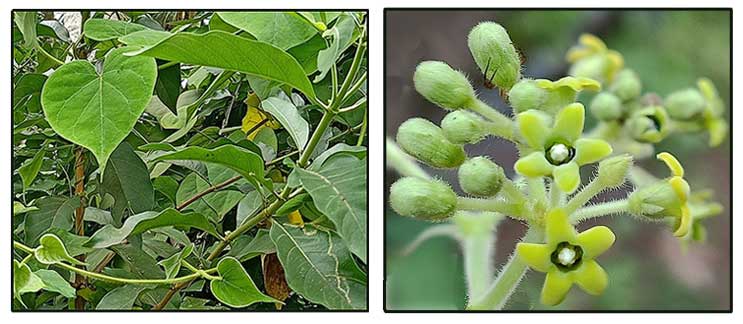
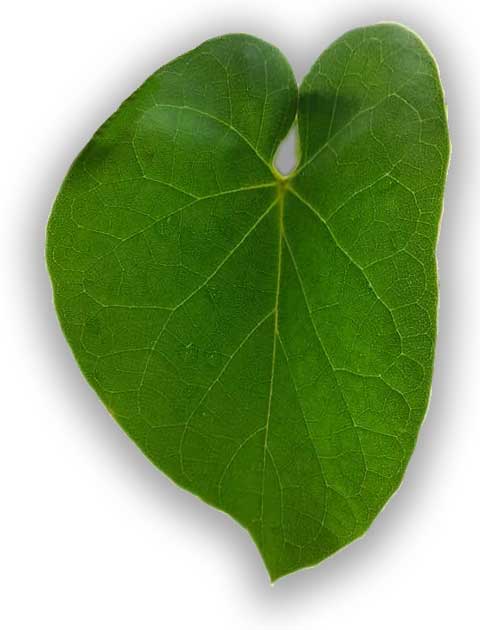
• Lianas robust, densely pilose to tomentose throughout except for interior of corolla. Petiole 5-6 cm, slender; leaf blade ovate, 8-10 × 6-6.5 cm, base deeply cordate with rounded sinus, apex acuminate; basal veins 5-7, lateral veins 2 or 3 pairs. Inflorescences much branched, broader than long, to 8 × 12 cm, many flowered; peduncle to 2 cm, shorter than first internode. Pedicel 6-8 mm. Sepals elliptic-lanceolate, ca. 3 × 1-1.3 mm, tip rounded. Corolla "yellow," campanulate, with spreading lobes, very densely pilose outside; tube ca. 3.5 × 2.5 mm, interior retrorsely pilose toward base; lobes oblong, ca. 4 × 2.2 mm, apex rounded, minutely velvety. Corona lobes exserted from corolla tube, oblong, apex truncate-emarginate with corners produced into short horns, sometimes toothed between these. Anther appendages oblong, slightly longer than corona lobes; pollinia curved cylindric. Stigma head broadly cylindric, concealed by anther appendages. (Flora of China)
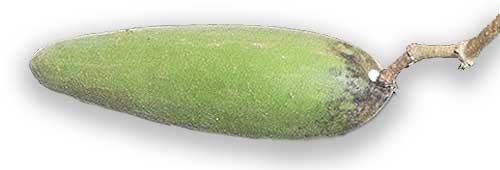
• Stem and petiole densely hairy. Petiole 5-9 cm long. Leaf-blade 7-18 cm long, 6-16 cm wide, velvety pubescent above, densely tomentose beneath. Cymes hairy. Calyx-lobes about 2 mm long, densely hairy without. Corolla 0.4-0.5 cm in diameter, densely pubescent without; lobes about as long as the tube. Corona-segments truncate, emarginate or shortly bifid. Merocarps 7-17 cm long, up to 6 cm wide, velvety pubescent. (eFloraofIndia)
Distribution
- Native to the Philippines. (1)
- In Luzon: Pangasinana; Panay.
- Native to Assam, Bangladesh, Cambodia, China South-Central, East Himalaya, India, Laos, Myanmar, Nepal, Sri Lanka, Thailand, Vietnam, West Himalaya. (2)
Constituents
- Two main components of M. tenacissima are steroids and caffeoylquinic acids.
- Combinatorics-based characterization analysis of constituents of roots, stems, and leaves generated a compound library of 1080 steroids. Roots, stems and leaves yielded 131, 131, and 99 components respectively. Tenecissoside H, a critical indicator component for quality evaluation of stem showed to be a differential component between roots and stems. Tenacisoside H in the roots was significantly higher than stems. (see study below) (4)
- HPLC analysis of ethyl acetate extract of leaves confirmed presence of phenol and flavonoid compounds including benzoic acid, gallic acid, pyrogallol, salicylic acid, trans-cinnamic acid, and vanillic acid.
- HPLC analysis confirmed presence of phenolic and flavonooid compounds including benzoic acid, gallic acid, pyrogallool, salicylic acid, trans-cinnamic acid, and vanillic acid in the leaf extract. (see study below) (14)
- Study of EtOH extract of stems isolated 8 sesquiterpenes (1-8) including two unreported eudesmane analogues (1 and 2), one undescribed pyrrole glycoside (9), two phenolic glycosides (10 and 11) and one polyoxygenated cyclohexene (12). (17)
- Study of roots isolated three undescribed pregnane steroids, 12ß-O-4-hydroxybenzoyl tenacigenin D (1), 12β-O-4-hydroxybenzoyl tenacigenin A (2), and 11α-nicotinoyl-17β-marsdenin (3), along with two known analogues (4,5). (see study below) (24)
-
Study of the acid hydrolysate of M. tenacissima stem isolated 9 previously undescribed C21-steroids (1-9), along with 6 known analogues (10-15). (see study below) (26)
 Properties Properties
- Studies have suggested antioxidant, α-glucosidase inhibitory, anticancer, antiangiogenic, antiproliferative, apoptotic, antidiarrheal, analgesic, anti-inflammatory, antidiabetic, anti-glycation, hypolipidemic, anti-asthma, vasoactive, chemotherapy potentiating, cardioprotective, nephroprotecxtive properties.
Parts used
Seeds, leaves.
Uses
Edibility
- Although primarily used as a potent medicinal and fiber plant, indegenous parts of Yunan China, flowers and tender parts are prepared by boiling or frying.
- Ripe fruits are occasionally consumed in the wild.
Folkloric
- No reported medicinal use in the Philippines.
- Marsdenia tenacissima is a traditional Chinese medicinal plant
used for treatment of cancer, especially stems. (3)
- In Chinese medicine,
stems used to clear phlegm, ease coughs, and for detoxification. Also, long used for treatment of asthma, tracheitis, rheumatism, carbuncles, etc. Used for treatment of various cancers: esophageal, gastric, lung, and hepatocellular.
Others
- Fiber: Stems yield very strong fibers, reputedly7 the strongest produced by any plant that are used for making cords and strings. (3)
- Xiao-Ping Injection: In China, the M. tenacissima extract (MTE: trade name: Xiao-Ai-Ping injection) is used to improved quality of life, strengthen immune function, and prolong the viable period of cancer patients. Its main constituent is MT, and has been authorized in Chinese market for decades for use alone or ain combination with radiotherapy of chemotherapy for cancer patients.
- Dai-Bai-Jie: In folkloric medicine, Dai-Bai-Jie is used for detoxification, for counteracting toxicities resulting from various sources, including food, animals, and environmental factors such as heat, water, and fire burns. Also used to relieve throat discomfort and swelling caused by excessive heat. With its rich history of use in traditional medicine, Dai-Bai-Jie has been incorporated into contemporary hospital formulations. (18)
Studies
• Tenacissoside H / Bioactivity / Antioxidant: A novel method of combinatorics-based characterization yielded a total of 131 compounds from M. tenacissima. Tenacissoside H was discovered as a differential component between roots and stems; relative content of which was significantly higher in the roots than the stems. Bioactivity comparison showed the roots, stems, and leaves had similar scavenging activity on DPPH radical. The α-glucosidase inhibitory activity was ranked as leaves>stems>roots. (4)
• Antitumor / Xiao-Ping Injection: MT extracts have long been used in anti-tumor therapy as an adjuvant mediciner. A recent study indicated MTE induced aging and cytotoxicity in erythrocytes in a dose-dependent manner through increaseing calcium and ROS levels, elevation ration of erythrocyte shrinking and fragment-ation. In acute and subacute toxicity testing of MTE leaves, results showed no obvious cellular toxicity. In China, the M. tenacissima extract (MTE: trade name: Xiao-Ai-Ping injection) is used to improved quality of life, strengthen immune function, and prolong the viable period of cancer patients. Its main constituent is MT, and has been authorized in Chinese market for decades for use alone or ain combination with radiotherapy of chemotherapy for cancer patients. (5)
• Anticancer via Apoptosis and Suppression of Authophagy Via ERK Activation: Mardenia tenacissima extract (MTE) shows significant anti-proliferation activity against non-small cell lung cancer (NSCLC). Study evaluated its mechanism of anticancer activity. Results showed MTE caused apoptosis induction as well as authphagy inhibition in NSCLC. Activated ERK is partiallly associated with NSCLC apoptotic and authphagic cell death in response to treatment. (6)
• Reversal of Multidrug Resistance of Cancer/ Polyoxypregnanes: Multidrug resistance (MDR) of cancer is often associated with overexpression of ATP-binding cassette (ABC) transporters, such as
P-glycoprotein (P-gp), multidrug resistance-associated protein-1 (MRP-1) and breast cancer resistance protein (BCRP or ABCG2), in cancer cells, which facilitates active efflux of a wide variety of chemothera-peutic drugs out of the cells. Polyoxypregnanes (POPs) are main constituents of the herb, and three are reported to exhibit P-gp modulatory effect and reverse MDR. Study sought to identify the POPs as the chemical basis for circumventing ABC transporters-mediated MDR by M. tenacissima. Results showed the crude extract of MT could circumvent P-gp mediated MDR. Eleven POPs were found to contribute to the MDR reversal effect via inhibtion of various ABC efflux transporters. (7)
• Antitumor Against Human Hematologic Neoplasm: Study evaluated the cytotoxicity of CME on tumor cells and peripheral blood mononuclear cells (PBMCs) using MTT and apoptosis assays. The ethanolic extract exhibited inhibition of proliferation and induction of apoptosis on human hematologic neoplasm tumor cells in vitro, as well as hematologic neoplasm growth in vivo. The extract also showed significant anti-angiogenic effect in vivo against tumor cell apoptosis. The multi-mechanism of action may be associated with cell cycle (G0/G1) arrest, induction of apoptosis via up-regulation of protein expressions of Bax, caspase-9 and caspase-3 genes, and down-regulation of expression of Cyclin D1 and Bcl-2 genes, decrease in tumor microvessel density and an increase of TUNEL-positive cells in vivo. The findings provide the molecular theoretical basis of clinical application. (8)
• Anti-Angiogenic: Angiogenesis is important in the developement and progression of cancer. Its main features are increased vasculature and overexpression of vascular endothelial growth factor (VEGF). Studu evaluated the effects of MTE on human umbilical vein endothelial cell (HUVEC) proliferation, migration, and capillary-like tube formation in vitro and using chick embryo chorioallantoic membrane (CAM) assay in vivo. Results showed MTE inhibited proliferation of HUVEC by blocking cell cycle progression from G1 to S, and also inhibited migration and tube formation. MTE decreased VEGF-A expression in human hepatoma cells (HepG2), and expression of VEGF-A and VEGF receeptor (VEGFR)-2 in HUVECs. MTE exposure in CAM also reduced formation of blood vessels in chick embryos. Results suggest potential as anti-angiogenesis agents. (9)
• Tenacissoside C / Antitumor / Air-Dried Stems: Tenacissoside C, a natural bioactive compounds of C21 saponins, was isolated and purified from air-dried stems of M. tenacissima. By MTT assay, the tenacissoside C exhibited cytotoxicity in K562 cells with IC50s of 31.4, 22.2, and 15.1 µM for 24, 48, and 72 h, respectively. Flow cytometry analysis indicated the antiproliferative activity may be via G0/G1 cell cycle arrest and proapoptosis in K562 cells. Western blotting analysisx indicted Tenacissoside C induced K562 cell cycle arrest and apoptosis. In vivo, tenacissoside C exhibited significant tumor growth inhibition activity, accompanied by significant antiangiogenic effect in vivo. and enhanced apoptotic cell death, both in dose-dependent manners. (10)
• Mechanism in Treatment of Breast Cancer via MAPK Signaling Pathway: Study evaluated the potential mechanisms contributing to the in vivo therapeutic effects of ethyl acetate extract of M. tenacissima (EMTE) on breast cancer. The MAPK pathways was identified as the most likely route of EMTE influence via network pharmacological enrichment pathways. EMTE could successfully inhibit development of breast cancer tumors in the homoplastic breast cancer mouse model. EMTE treatment affected the metabolism of breast cancer mice, particularly in biosynthesis of phenylalanine, tyrosine, tryptophan, linoleic acid and pyrimidine metabolism. It is postulated that the inhibition of the MAPK/ERK pathway may play a role in promoting apoptosis in breast cancer cells. (12)
• Antiproliferative / Apoptotic in Human Ovarian Cancer Cells: Study evaluated the effects of Marsdenia tenacissima extract (MTE) on human ovarian cancer SKOV3 cells. MTE markedly reduced viability of SKOV3 cells in a dose- and time-dependent manner. MTE induced cell cycle arrest by down-regulating the levels of cyclin D1 and cylin B1, and also markedly increased apoptosis rates. The depression of P13K/'AKT/mTOR pathway may augment the protective effect of MTE. Results suggest potential as a new drug for treatment of ovarian cancer. (13)
• Antioxidant / Cytotoxicity / Analgesic / Anti-Inflammatory / Antidiarrhea / Leaves: Study evaluated methanolic and ethyl acetate extracts of M. tenacissima leaves for phytochemical profiling and bioactivities. Solvent extracts revealed presence of bioactive constituents alkaloids, flavonoids, phenols, and saponins. The methanol extract showed higher total phenolic, total flavonoid content and toal antioxidant activity, with more potent DPPH. NO, H2O2 and OH scavenging activity, cupric reducing and reducing power. The ME showed better effect of brine shrimp lethality bioassay. The ME showed better analgesic, anti-inflammatory, and anti-diarrheal activities. (see constituents above) (14)
• Mechanisms of Apoptosis Induction in Lung Cancer: Study evaluated the mechanisms by which different organic extracts of M tenacissima induce apoptosis in lung cancer cells. M. tenacissima induced apoptosis, both in vitro and in vivo. Hydrophobic extracts are most effective by increasing i[Ca2+], decreasing intracellular Calmodulin, CaMKII, p-CaMKII, p-MEK1/2, and p-ERK levels, and activating the apoptotic cascade. (15)
• Antidiabetic / Anti-Glycation / Hypolipidemic / Roots: Study evaluated the anti-diabetic potential of ethanolic and aqueous extracts of Marsdenia tenacissima roots in a streptozotocin-induced diabetic rat model. The ethanolic extract showed excellent inhibition of α-aglucosidase (!C50 89.645 µg/mL and anti-glycation activity (IC50 99.66 µg/mL at 300 µg/mL exhibiting postprandial hypoglycemic effect. The roots reduced elevated blood glucose and restored elevated liver parameters significantly (p<0.00e). At 100 and 200 mg/kbw, there was amelioration of elevated parameters of total cholesterol, triglycerides, HDL and LDL lipoproteins. Histopath studies showed restoration of ß-cells, (16)
• Mechanism in the Treatment of Hepatocellular Carcinoma: Study evaluated the main active components and their anti-tumor targets and mechanisms in hepatocellular carcinoma using an H22 mouse model. Tenacissosides I, H, and G (TI, TH, and TG) were the likely active ingredients of MTE in the treatment of hepatocellular carcinoma. The compounds promoted apoptosis, inhibited angiogenesis and improved immune function through targeting P53, JAK-1, and HIF1α respectively. (17)
• Flavonoid Accumulation / Optimal Harvesting Strategy: The accumulation patterns of secondary metabolites—particularly flavonoids, the main detoxifying components—and thjeir biosynthetic mechanisms have been unclear. Study evaluated the differences in flavonoid accumulation and transcriptional regulation in Dai-Bai-Joe cu;tivated for 1, 2, and 3 years at high altitudes, and 3 years at low altitudes. UPLC-MS/MS identified a total of 1,495 metabolites, with 943 showing differential accumulation across four groups. Flavonoids levels were higher in plants cultivated for 2 and 3 years, with more abundant total metabolite content. Two-year cultivation was recommended as the optimal harvesting strategy. (18)
• Neutrophilic Asthma Treatment: / 17ß-Tenacigenin B: Neutrophilic asthma (NA) is an asthma phenotype characterized by significantly elevated levels of neutrophils in induced sputum samples, and typically associated with poor response to glucocorticoid therapy and increased frequency of exacerbations. MTR as been used extensively for centuries in the treatment of airway inflammatory disease. Study evaluated the molecular mechanisms underlying the therapeutic effects of MT in NA. Network pharmacology identified 17ß-Tenacigenin B as the key compound of MT, targeting IL-6 and Janus kinase (JAK) 1, thereby modulating the JAK'STAT and downstream P13K/AKT/mTOR pathway. Study revealed MT treats NA via the IL-6/JAK/STAT and P13K/AKT/mTor pathways. Findings lend support to its use as treatment agent for NA. (19)
• Marstenacissides / Anti-HIV-1 / Roots: Study of roots isolated 13 new polyoxypregnance glycosides, marstenacissides B10-17 (1,2,4,7,8,11,12, NS 14) and marstenacissides A8-A12 (3,9,10,13, and 15). Some of the compounds exhibited slight or negligible effects against HIV-1. (20)
• Adjuvant Therapy To Chemotherapy for Gastric Cancer / Review: Marsdenia tenacissima extract (MTE) is widely used as complementary therapy in cancer care. Systematic review evaluated the anticancer and detoxification effects of MTE, as adjuvant therapy to chemotheray for gastric cancer. Ten databases were searched to identify randomized clinical trials comparing oral or injectable MTE plus chemotherapy versus chemotherapy alone. Study suggests with limitations of risk of selection and performance bias that MTE, as adjuvant to chemotherapy, is effective for inhibiting cancer growth and reducing incidence of multiple chemo-
therapy side effects. Oral MTE may be the better choice. Effects of MTE on survival endpoints remain uncertain, along with subgroup differences between acute and chronic use of MTE and between different chemotherapy regimens. (21)
• Enhancement of Gefitinib Efficacy in Non-Small Cell Lung Cancer Xenografts: A previous in vitro study showed MTE overcomes gefitinib resistance in non-small cell lung cancer (NSCLC) cells. Study evaluated the in vivo antitumor activity of MTE combined with gefitinib. The combination significantly enhanced gefitinib efficacy in resistant H460 and H1975 xenografts. The combination inhibited tumor proliferation and induced cel apoptosis in both resistant NSCLC xenografts. Results suggest the combination may be a promising therapeutic approach to enhance gefitinib efficacy in resistant NSCLC. (22)
• Vasoactive Effects: Study evaluated the vasoactive effects of M. tenacissima in mesenteric resistance arteries of mice and the underlying mechanisms. KCl, phenylephrine and 9,11-Dideoxy-11α,9α-epoxy-methanoprostaglandin F2α (U46619) were used as vasoconstrictors. Results showed MTE dose-dependently relaxed the constricted mesenteric arteries. Effect was attributed to inhibition of calcium influx and stimulation of eNOS activities. (23)
• New Pregnane Steroids / Anticancer / Roots: Study of roots isolated three undescribed pregnane steroids, 12ß-O-4-hydroxybenzoyl tenacigenin D (1), 12β-O-4-hydroxybenzoyl tenacigenin A (2), and 11α-nicotinoyl-17β-marsdenin (3), along with two known analogues (4,5). The isolated compounds were evaluated for cytotoxic activities against human lung cancer cells (A549), ovarian carcinoma cells (SKOV-3), gastric cancer cells (MGC 803) and breast cancer cells (MCF-7). Compound 3 exhibited significant cytotoxic activity against boith A549 and SKOV-3 cells with MICs of 16.79 and 12.30 µM, respectively, while exhibiting moderate cytotoxicity on MGC803 and MCF-7 cells. (24)
• Anti-Inflammatory / Roots: Study evaluated aqueous and alcoholic extracts of M. tenacissima roots for anti-inflammatory activity in carrageenan-induced rat paw edema. Phytochemical screening yielded steroid glycosides, alkaloids, saponins, etc. The ethanol extract exhibited significant (p<0.001) inhibition of rat paw edema at dose of 100 and 200 mg/kg p.o., with activity comparable to standard drug, diclofenac sodium. (25)
• C21-Steroids / Cytotoxicity / Stems: Study of the acid hydrolysate of M. tenacissima stem isolated 9 previously undescribed C21-steroids (1-9), along with 6 known analogues (10-15). All isolates were evaluated for cytotoxicity against MCF7, HCT116, HeLa, and HepG2 cancer cell lines. Compound 3 ishowed the most potent cytotoxicity, with IC50s ranging from 15.81 to 22.88 µM, and nduced apoptosis and S-phase cycle arrest in HepG2 cells in a dose-dependent manner. (26)
• Effect of Nitric Oxide on Antitumor Effects of MTE: The roles of microenvironmental cells in mediating the anti-tumor actions of MTE remained to be defined. Study evaluated the roles of nitric oxide (NO) released by endothelial cells (ECs), an important component of tumor microenvironment, in regulating the anticancer effects of MTE, and to explores the underlyiing mechanisms. In the co-culture system of ECs and A549 NSCLC cells, MTE (30mg/mL) reduced the viability of lung cancer cells. ECs significantly contributed to the anticancer effects of MTE by elevating production of NO, in a PKA-dependent manner. Study revealed a novel anticancer mechanism of MTE via regulation of ECs function, an importaint function of tumor microenvironment. (27)
• Cardioprotective in Doxorubicin-Induced Cardiotoxicity / Role of Dresgenin and Lupeol: Study evaluated the cardioprotective mechanism and in vivo cardioprotective potential of methanol extracts of MT and Sanseveria roxburghhiana (SR) on rats using in silico methods. Dresgnein from MT and lupeol from SR were taken as ligands for target PPARα protein to determine mechanism of action. Results showed the combination of MEMT and MNESR exerted cardioprotective activity via binding of dresgenin and lupeol to PPARα. The order of efficacy was the extract combination > MESR > MEMT. (28)
• Nephroprotective Against Cisplatin-Induced Toxicity: Study evaluated the therapeutic effect of MT on Cis-induced nephrotoxicity and its underlying mechanism. Results showed MT ameliorated renal injury, mainly through regulation of the Nrf2 pathway, the NF-kB pathway, and suppression of renal tissue apoptosis. Also, study suggests potential of MT as adjuvant to mitigate nephrotoxicity of Cis chemotherapy. (29)
• Anticancer Potential in Triple-Negative Breast Cancer MDA-MB-231 Cells: Study evaluated the underlying anticancer mechanisms of MTE in MDA-MB-231 cells. Results suggest MTE exerts inhibitory effects on proliferation of MDA-MB-231 cells and promotes apoptosis by release of antiapoptotic regulatory factors. MTE also reduces expression of SBEM mRNA in MDA-MB-231 cells. MTe has potential as thera-peutic candidate for treatment of TNBC, SBEM may serve as specific tumor maker and a nover therapeutic target for breast cancer. (30)
Availability
- Wild-crafted.
- Herbal products usually sold under Ayurvedic name Murva Mool
or Moorva Mool (powder, roots, extracts).
|