Gen info
- Acanthaceae is a family of dicotyledonous flowering plants containing almost 250 genera and about 2500 species. Most are tropical herbs, shrubs, or twining vines; some are epiphytes.
- Since the first comprehensive classification of Acanthaceae in 1847 by Nees, the family has gone through a taxonomic journey of major revisions and reclassifications. As of December 2021, Germplasm Resources Information Network (GRIN) accepts 217 genera. As of July 2025, Plants of the World Online (POWO) accepts 208 genera.
- Acanthus is a genus of about 30 species of flowering plants in the family Acanthaceae.
- Etymology: The genus name Acanthus derives from the Ancient Greek word akanthos, meaning "thorn plant" or akantha, meaning "thorn" or "spine".
 Botany Botany
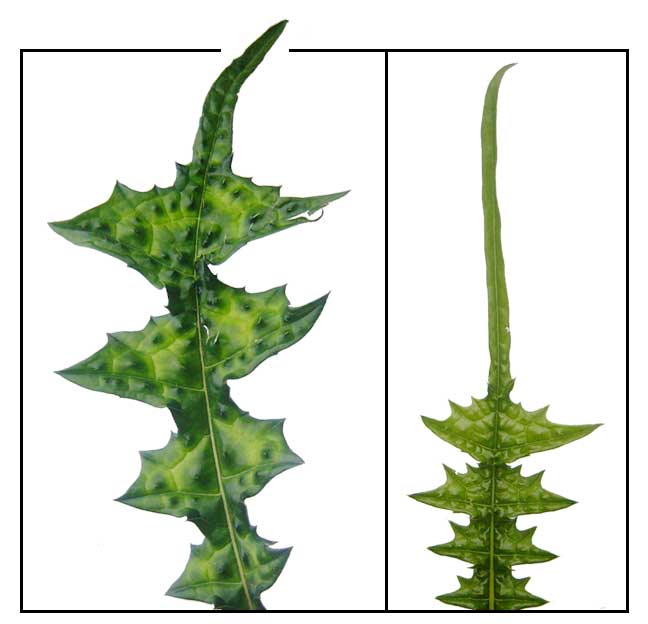
• Acanthus montanus is a plant growing
to a height of 1.5 meters. Leaves are shallow to deeply lobed, toothed
with short spines, dark glossy green above and pale green below. Flowers
are pink to reddish in long erect spikes.
• It is a thinly branched perennial with basal clusters of oblong to lance-shaped glossy, dark green leaves reaching up to 12 inches (30 cm) long. The leaves have silver marks, wavy margins and thorns. It reaches up to 6 feet (1.8 m) tall and about 24 inches (61 cm) wide. Spikes of pale pink flowers appear summer to fall. (28)
Distribution
- Recently introduced to
the Philippines.
- Rarely cultivated.
- Native to Angola, Benin, Burundi, Cameroon, Central African Republic, Chad, Congo, DR Congo, Gabon, Gulf of Guinea Is., Nigeria, Rwanda, Sierra Leone, Zambia. (9)
Constituents
- Phytochemical screening of root extract yielded an abundance of alkaloids and carbohydrates,
with traces of saponins, glycosides and terpenoids. (2) Phytochemical screening yielded alkaloids, flavonoids, glycosides, steroids, saponins, tannins, and terpenoids. (see study below) (14)
- GC-MS analysis of ethanolic extract of leaves yielded nine compounds:
2,6-bis(1,1-dimethylethyl)-4-methyl phenol 13.68 % (1), allyl(2-tetrahydrofuryl methoxy)dimethylsilane 3.86 % (2), sulfurous acid cyclohexylmethyl hexyl ester 5.67 % (3), alpha-methyl 4- methylmannoside 8.41 % (4), hexadecanoic acid methyl ester 16.12 % (5), 11-octadecenoic acid methyl ester 19.03 % (6), docosane 5.85 % (7), N,N-dimethylvaleramide 18.62 % (8) and 2,6,10,15-tetramethyl heptadecane 8.76 % (9). (see study below) (15)
- Study of alcohol extract of aerial parts yielded nine compounds: β- sitosterol-3-O- β –D-glucoside (1), palmitic acid (2), linaroside (3), homoplantagenin (4), 5, 7, 3′- trihydroxy-6,4′ -dimethoxy flavone-7-O-glucoside(5), shikimic acid (6), protochatecuic acid (7), blepharin (8), and acetoside (9). (see study below) (17)
Properties
- Studies have suggested antimicrobial, antidiabetic, anti-inflammatory, analgesic, immunomodulatory, hepatoprotective, antifertility, fetotoxic, relaxant, anthelmintic, relaxant, spermatogenic, corrosion inhibitory, mosquitocidal properties.
Parts used
Leaves, roots.
 Uses Uses
Edibility
- In Africa, considered an underutilized vegetable. Considered a famine food.
Folkloric
- No known medicinal use in the Philippines.
- In southeastern Nigeria,
roots used for furuncles, leaves used for boils on the fingers. Leaves also used for coughs.
- In African traditional
medicine, used for urogenital infections, urethral pain, endometritis,
cystitis, aches and pains. (2)
- In the Congo, central portion of twigs or leaves applied as hot poultice to mature abscesses; decoction of leaf and twigs used as purgative.
- In Cameroon, used for treatment of epilepsy and fever. (21) Also used for
pain, inflammation and threatened abortion; leaf infusion used for cough and chest complaints.
- In Gabon, leaf-macerate used in children as emetic; fresh young growths used for heart troubles.
- In south eastern Nigeria and other parts of West Africa, used for the treatment of gonorrhea, syphilis, wounds, and boils. Also sued for hypertension, cardiac dysfunctions, and hepatitis. (15)
- Phytochemical screening of crude extract yielded sterols +++, tannins +, flavonoids +++, lipids +, glycosides ++ and sugars +, with absence of phenols, triterpenes, saponins, alkaloids. (see study below) (23)
Studies
• Analgesic / Leaves: The Analgesic effect of the methanolic
leaf extract was studied in rats and mice. Results showed dose dependent
increases in pain threshold. The study indicated that the analgesic
effect of Acanthus montanus methanolic extract is both centrally and
peripherally mediated. (1) Analgesic tests conducted revealed the extract had only peripheral analgesic properties. (6)
• Anti-Inflammatory / Antimicrobial / Immunologic
/ Roots: Acanthus montanus: An experimental evaluation of the
antimicrobial, anti-inflammatory and immunological properties of a traditional
remedy for furuncles. The aqueous root extract showed moderate
antimicrobial activity against P aeruginosa and S aureus, the usual
pathogens in boils. It inhibited (57%) topical acute edema in mouse ear induced by xylene, and suppressed the development of rat paw edema in a non-dose related manner. It inhibited vascular permeability induced by acetic acid in mice and hemolysis of ox RBCs induced by heat and hypotonicity. Extract also increase total leukocyte and neutrophil counts and cause significant increase in macrophages. The effectiveness of use of roots in the treatment of furuncles may be due to mobilization of leukocytes to the site of infection and activation of phagocytic activity and suppression of exacerbated immune responses. (see constituents above) (2)
• Acute Toxicity Study / Roots: Acute toxicity study of root extract established an oral and intraperitoneal LD50 greater than 5,000 mg/kg. (2)
• Safety / Toxicity Studies: Study of leaves extract on Wistar pregnant rats showed no maternal or organ toxicity. Embyotoxicity was observed during organogenesis with signs of growth retardation which were not manifest after 5 days of postnatal survival. The extract can be tolerated by pregnant patients.
• Antifertility / Fetotoxic Activities: Study showed reversible prolongation of the metestrous and occasionally the diestrous stages of the estrous cycle. The extract showed a lack of estrogenic and progestational effects. At 1000 mg/kg/day, the extract caused appreciable implantation losses. The extract also caused delayed fetal growth. (3)
• Hepatoprotective: Study showed the alcoholic and aqueous extracts of leaf and stem of Acanthus montanus may prevent liver damage induced by carbon tetrachloride in rats. (6)
• Relaxant Activity: Study investigated a methanolic extract of A. montanus on different smooth muscle preparations. The extract produced a concentration-dependent relaxation and inhibition of spontaneous contraction of rabbit jejunum. The extract shifted the concentration-response curves of CaCl2 to the right in a concentration-dependent manner on guinea- pig taenia coli. Results suggest a non-specific smooth muscle relaxant activity. (11)
• Anthelmintic Against Strongylid Nematodes / Leaves: Study investigated the anthelmintic efficacy of crude aqueous leaf extract of A. montanus against strongylid nematodes of small ruminants using in-vitro egg hatch and larval growth inhibition assay. Extract showed 100% inhibition at 200 mg/ml concentration, equivalent to 3.125 mg/ml albendazole. Larval growth inhibition showed 67.02% and 85.26% larval inhibition at 25 mg/ml and 200 mg/ml concentrations. Albendazole showed 100% larval inhibition. (12)
• Subacute Toxicity Study: Study evaluated an aqueous extract of A. montanus for subacute toxicity in female Wistar rats with doses ranging from 0, 125, 250, 500, and 1000 mg/kg/day for 30 days. Results showed A. montana showed no effects on hematological, biochemical and oxidative stress markers. However at dose >500 mg/kg, there were nephrotoxic and hypercreatinine effects, which is below the nominal human value. (13)
• Antidiabetic / Roots: Study evaluated various extracts of Acanthus montanus roots for antidiabetic activity in normal and alloxan-induced diabetic rats. Intraperitoneal administration caused a significant reduction in blood sugar levels ranging from 21.01 to 49.20% compared to glibenclamide at 51.78%. The EA fraction of Acanthus montanus showed significant and dose-dependent hypoglycemic activity in normoglycemic and alloxan induced diabetic rats. (see constituents above) (14)
• Antibacterial
/ Leaves: Ethanolic extract of leaves showed marked antibacterial activity against Staphylococcus aureus, Enterococcus faecalis, Bacillus cereus, Escherichia coli, Salmonella typhi, and Proteus mirabilis. (see constituents above) (15)
• Effect of Processing on Biochemical Contents of Leaves: The moisture, crude protein, lipid, fiber ash, and total carbohydrates of raw vegetable were 59.15, 1.85, 2.32, 3.76, 2.04, and 34.65 g/100 g, respectively. The saponin, alkaloid, tannin, flavonoid, phenol and anthocyanin contents of raw vegetable were 5.34, 4.04, 1.10, 3.53, 2.87, and 1.27 g/100 g, respectively. Elemental and vitamin composition (mg/100g) were calcium 2.65 mg, magnesium 1.14 mg, potassium 7.66 mg, vitamin A 350.75 µg/g, vitamin C 50.87 mg/100g. Boiling or boiling + sun-drying of leaves caused significant (p<0.05) reductions in many of the constituents. Sun drying alone retained or enhanced the release of some important bioactive compounds in the leaves. Reduced moisture content of sun-dried vegetables together with increase titrable acidity renders the vegetable uninhabitable to microorganisms, thereby increasing its shelf life. (16)
• Mosquitocidal / Aedes aegypti / Aerial Parts: Phytochemical screening of alcoholic extract of aerial parts isolated nine compounds, eight of which exhibited variable degrees of insecticidal activity. Compound 1, ß-sitosterol-3-O-ß-D-glucoside exhibited potent mosquitocidal activity (100%) mortality against adult Aedes aegypti at 1.25 µg/ml concentration, followed by palmitic acid (90%), linroside (39%), and acetoside (7%). (see constituents above) (17)
• Comparative Hypoglycemic Activities / Synergism of Combinational Formulation: Study evaluated crude aqueous and ethanol leaf extracts of four medicinal plants viz., Acanthus montanus, Asystasia gangetica, Emilia coccinea, and Hibiscus rosa-sinensis and their combinational formulation in their ability to ameliorate hyperglycemia in type 1 diabetic rats. Results showed the ethanol extracts exhibited greater capacity to lower fasting blood glucose concentrations. The ethanol extract of combinational formulation of the four plants showed highest capacity to lower FBGC than any individual plant. (18)
• Effect on Spermatogenesis / Leaves: Study evaluated the effect of aqueous extract of leaves of A. montanus on spermatogenesis in Swiss albino mice. The extract reversibly improved spermatogenic activity. The gonadosomatic index remained stable irrespective on increase of extract concentration. The increase in spermatogenic index and total spermatogenic yielded suggest a potential as herbal remedy for spermatogenic dysfunction. (19)
• Corrosion Inhibitor: Study evaluated leaves, stems, and root extracts for sustainable and eco-friendly corrosion inhibition in IM Hcl. The plant extract reduced corrosion rate of mild steel in the corrosive medium. Corrosion inhibition increased with increase in concentration. Activity was attributed to the extract molecules being able to get absorbed to the metal surface creating a barrier between the acid and the mid steel. (20)
• Sedative / Anticonvulsant / Leaves: Study of leaves of A. montanus in mice showed sedative and anticonvulsant activities in mice. Sleep induction was induced by valium, and seizure induction was induced by N-methyl-D-aspartate (NMDA), pentylenetetrazome (PTZ), and thiosemicarbaside (TSC). (21)
• Anti-Inflammatory: Study evaluated the anti-inflammatory activity of an aqueous extract of Acanthus montanus using carrageenan-induced paw edema in mice, and compared with diclofenac and L-NAME (L-nitro arginine methyl ester). Results showed significant inhibition of carrageenan-induced mouse paw edema. Results suggest the anti-inflammatory activity of AM aqueous extract could be due to nitric oxide (NO) inhibition. (22)
• Antimycobacterial: Study evaluated crude extracts of six Cameroonian medicinal plants for in vitro antimycobacterial activity on virulent strain, H37Rv. The six extracts, A. montanus, B. obscura, C. petiolata, E. chlorantha, U. repens and G. preussii, were active with MICs ranging from 31.25 µg/ml to 250 µg/ml. The most active was B. obscura at MIC 31.25. Acanthus montanus showed an MIC of 62.5 µg/ml with growth inhibition of 95.06%. (see constituents above ) (23)
• Hypoglycemic / Antihyperlipidemic / Polyherbal Formulation: A polyherbal formulation consisting of aqueous extracts of Acanthus montanus, E. coccinea, Hibiscus rosa-sinensis, and Asystasia gangetica showed dose- and duration-of-admiistration-dependent, significant (p<0.05) reductions in serum levels of glucose, TC, triacylglycerol and LDL-C, with a significant (p<0.05) increase in HDL-C concentrations. (24)
• Hepato-Renal Protective / Polyherbal Leaf Formulation: Study investigated the capacity of single and combinational herbal formulations of leaf extracts of Acanthus montanus, Asystasia gangetica, Emilia coccinea, and Hibiscus rosa-sineneis to reverse renal and hepatic injuries in alloxan-induced hyperglycemic Wistar rats. Herbal treatments restored cellular integrity and reversed glomeruli atrophy and turf disarrangement, along with changes in blood biochemical markers suggesting restoration of cellular integrity. Results showed varying capacities of single and combinational benefits in reversing renal and hepatic injuries in hyperglycemic rats. (25)
• Contractile Ability on Rat Uterus: Study evaluated the uterine contractile activity of A. montanus extract sing Ugo basile organ bath model 4050 on female Wistar rats. Oxytocin and acetylcholine produced significant contraction of rat uterus. Administration of extract produced a significant (p=0.5) dose-dependent reduction in oxytocin and acetylcholine induced contractions. Results showed the ME of A. montanus possess anti-contractile activity on uterine smooth muscles in non-pregnant rats, which corroborates the use of the extract in the treatment of spontaneous abortion. The absence of death at 5000 mg/kg of the methanol extract shows the lethal dose is higher than 5000 mg/kg, which may be a indication of safety of the plant. (26)
• Biphasic Activity on Uterine Smooth Muscle / ASE: Study reported on the effects of A. montanus aqueous extract, fractions, and ASE (Acanthus sulphate ester), a newly isolated sulphate ester, on rat uterus. The extract showed biphasic action with initial relaxation (IC50 3.00 mM) of spontaneous uterine contraction followed by stimulation (IC50 0.63 mM). The fraction showed both relaxation and contraction depending on polarity of extraction solvent. 100% methanolic fraction (IC50 150.0 µM) and ASE (131.0 µM) contracted the uterus. Involvement of both extracellular and intracellular ionic channels of calcium and potassium were observed; they were probably involved in the mechanism of ASE. (27)
• Antidiabetic / Hepatoprotective / Synergism with Moringa oleifera: Study evaluated the antidiabetic anf hepatoprotective potential of a polyherbal formulation from aqueous extracts of Acanthus montanus and Moringa oleifera in alloxan-induced diabetic male Wistar rats. Results showed the polyherbal formulation significantly reduced FBG compared to control. There was also significant improvement in body weight of animals across all treated groups. Liver biomarkers were restored toward normal levels. Results suggest a novel therapeutic potential for the polyherbal formulation of A. montanus and M. oleifera for the management of diabetes and its hepatic complications. (29)
• Antibacterial / 5-Methylresorcinol and Glycosylated Stigmasterol / Roots: Ethyl acetate fraction of root extract of A. montanus isolated two natural products: 5-methylresorcinol and glycosylated stigmasterol with yields of 2.6% and 1.7%, respectively. Compounds showed biologic activities against eight bacteria and seven fungal species. Zones of inhibition ranged from 25 to 39 mm against bacteria and 18 to 34 mm fungi. (30)
Availability
Cultivated. |